What does a substation technician do day to day?
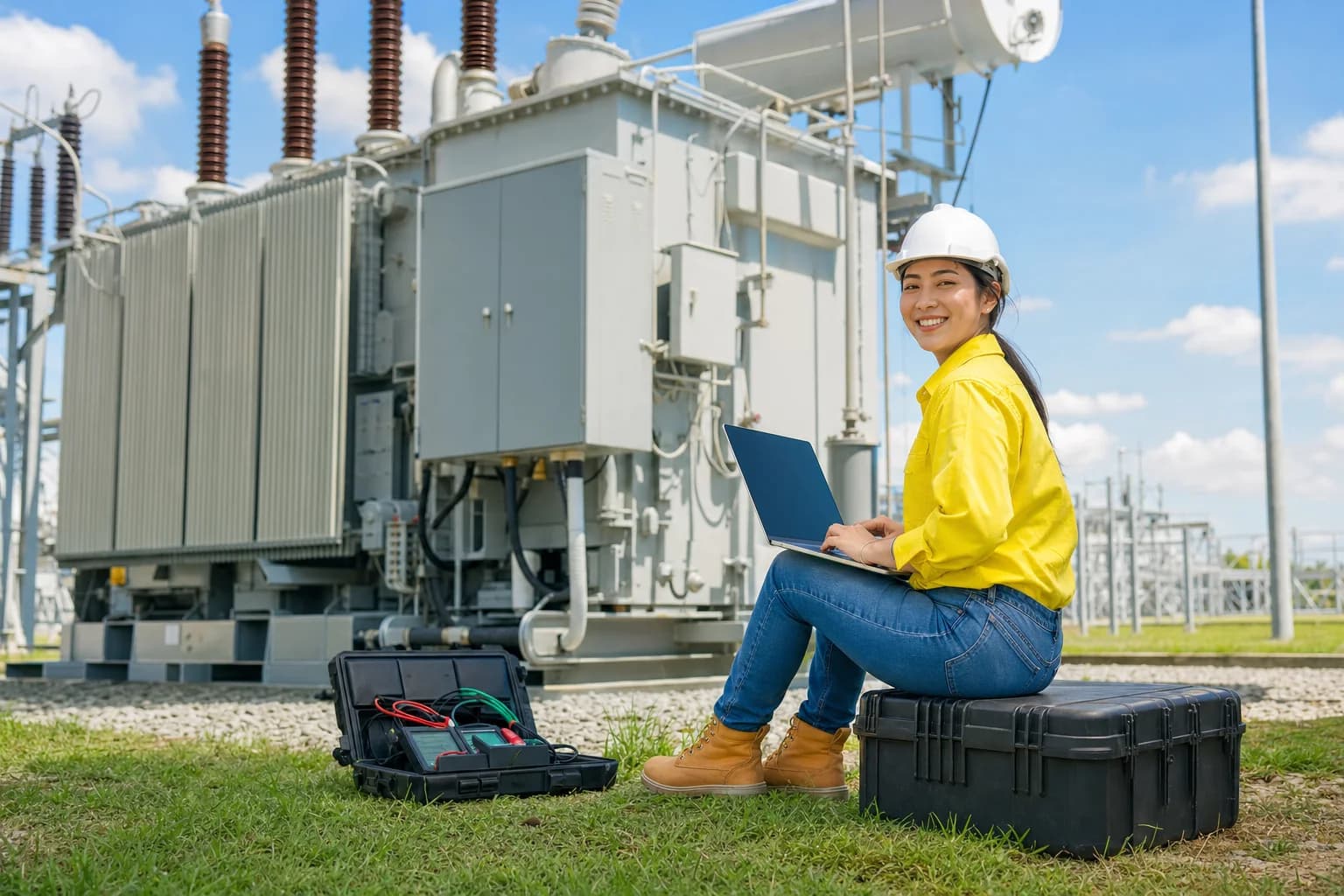
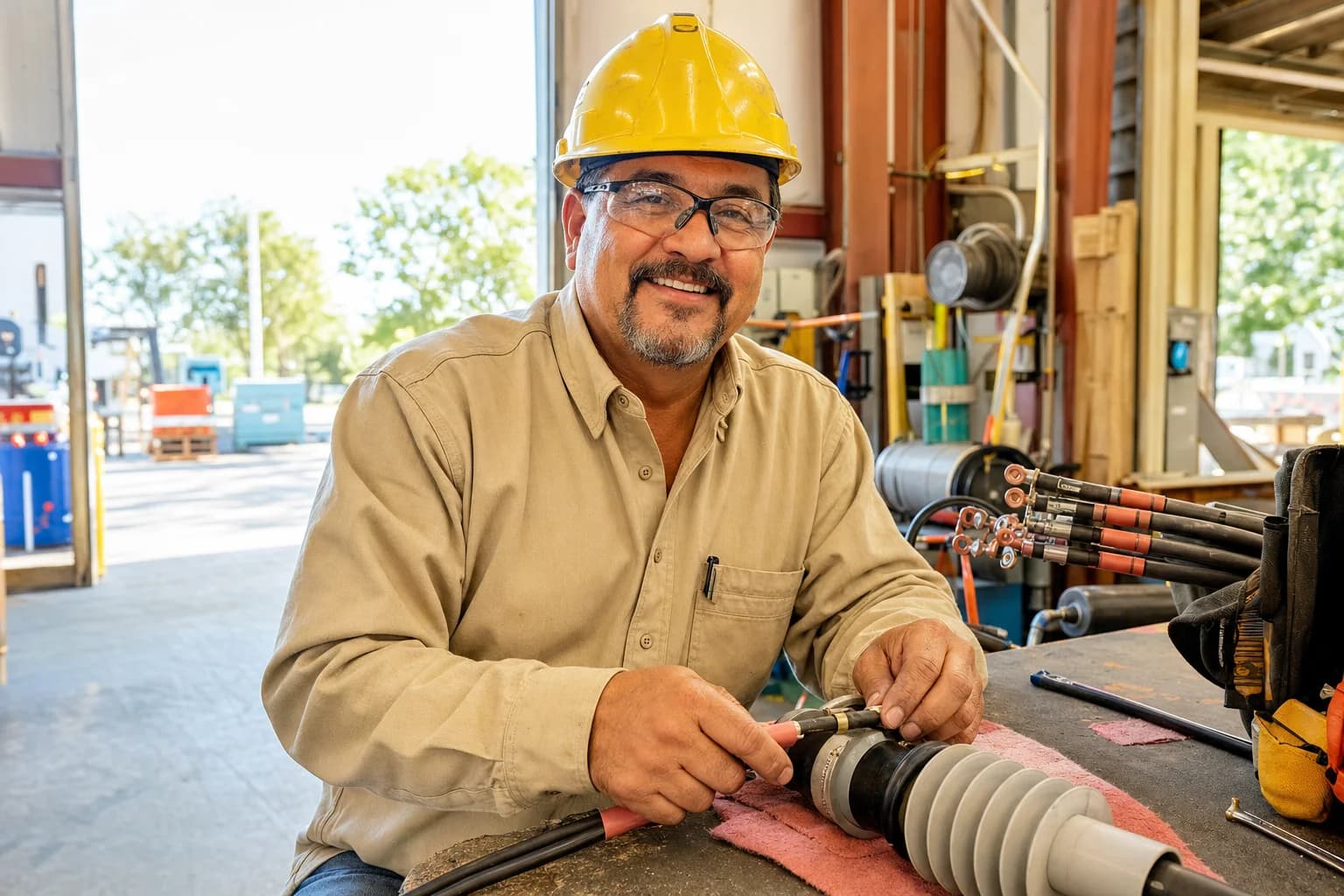
You keep the station equipment healthy so the grid stays up. The work starts with testing. You check circuits and equipment with meters and wiring diagrams, then read the results to find faults. You open and close switches to isolate bad relays, and you repair or replace breakers and other components. You build, test and fix relay and control systems. You test insulators, bushings and the oil in breakers and transformers, and you keep records of every test and repair.
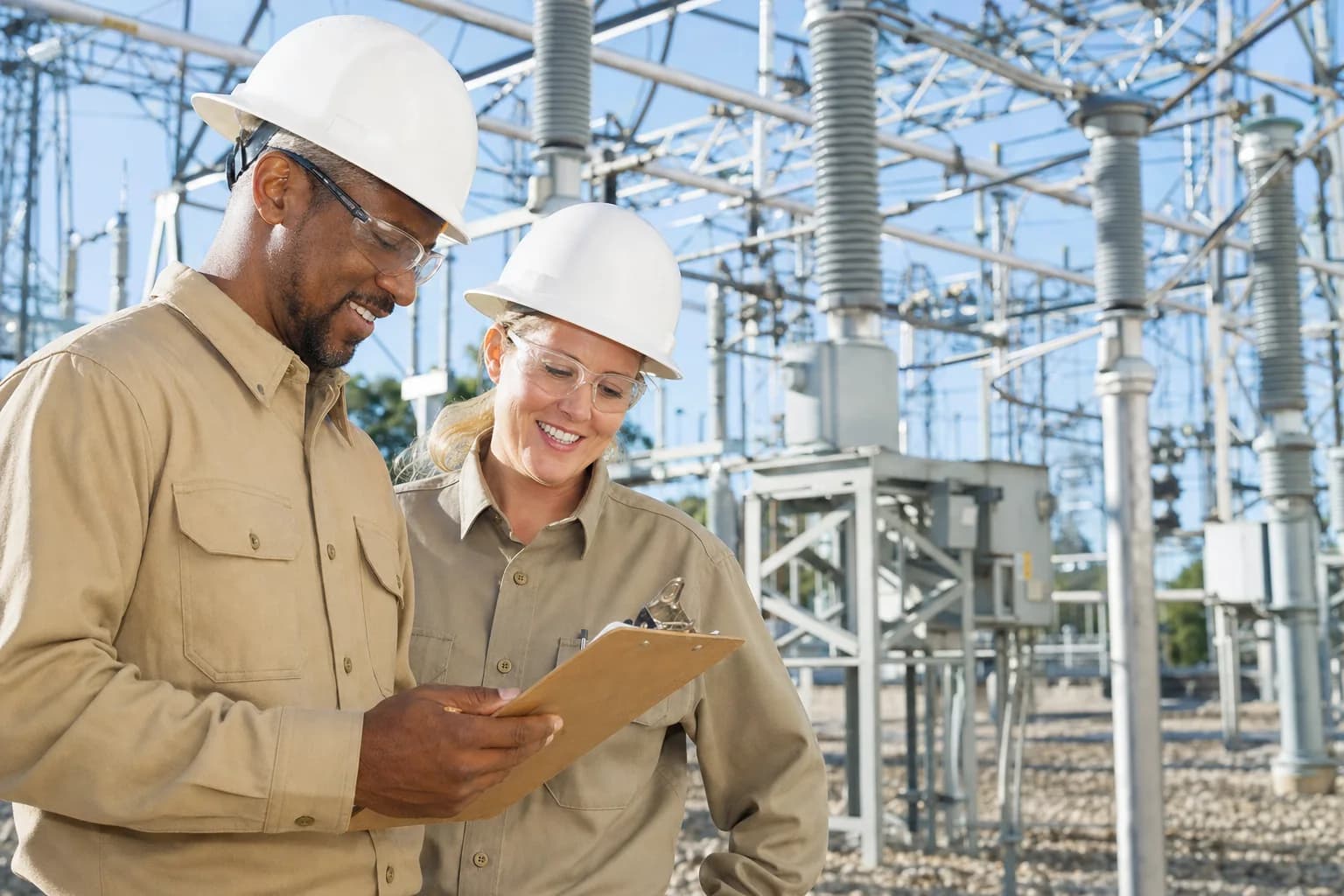
The federal government files this work under electrical and electronics repairers, powerhouse, substation and relay. Utilities use a pile of titles for it: substation electrician, substation technician, substation mechanic, substation wireman, relay technician, station electrician and power system electrician. Much of the job is outdoors. About half of workers in the federal survey say they work outside in all kinds of weather every day. Nearly everyone in the federal survey wears safety gear every day, and most rate the consequence of an error as extremely serious. A mistake in a yard can kill someone or drop service to a whole town.
What equipment will you work on?
The list from a real utility program gives a good picture. Grant County PUD No. 2 in Washington trains its power system electricians on batteries, battery chargers, and control, meter and relay circuits. It also covers substation and distribution equipment, motors and generators, power wiring and bus bar, rigging, and gas, electric and heliarc welding. Apprentices also spend time with a meter relay tech, a lineman, a station operator and a system operator. That spread matters. A station electrician has to understand how the yard ties into the wider system as well as the equipment in front of them.
How do clearances and safety rules work?
Utility substation work falls under OSHA's electric power standard, 29 CFR 1910.269. A qualified employee must be trained and competent to tell exposed live parts from other parts and to find the nominal voltage. You also have to know and keep the minimum approach distances for the voltages you work near, and use insulated tools and protective equipment correctly. Your employer must check your compliance at least once a year and confirm that you can actually do the work safely before your training counts as complete.
When a system operator is in charge, getting a clearance follows a fixed order. The worker in charge formally asks the operator to deenergize the equipment. Every source, including backfeed, is opened, made inoperable and tagged. Automatic devices such as reclosers are disabled and tagged. Then the operator tells the worker in charge it is done. Your crew tests the equipment to prove it is dead and installs protective grounds before anyone touches it. Skipping a step gets people hurt.
What about on-call duty and job outlook?
Most of these jobs are full-time, day-shift work. In the federal survey, about two thirds of workers reported a typical 40-hour week. Storms and equipment failures do not keep office hours, though. The Bureau of Labor Statistics notes that some workers in this field are on call evenings or weekends for emergency repairs. The outlook is solid. BLS projects jobs in this occupation will grow 10 percent from 2025 to 2035, because more strain on the power grid means more repair and maintenance work.
Pay
USD a year, before tax. Ranges run from the 25th to the 75th percentile. They are modeled from U.S. Bureau of Labor Statistics OEWS May 2025 data, adjusted to 2026 with a wage index, and state figures are estimates. Pay rises with seniority, relay and testing skills, overtime and utility employment. BLS reported a May 2025 median of $103,020 for the occupation. Refer to the High Voltage & Testing salary guide for figures from live adverts.
What you need
- Age and educationUtility programs commonly require applicants to be at least 18 and hold a high school diploma or equivalent. Both the Grant County PUD and Imperial Irrigation District programs list these minimums.
- Entrance testingSome programs test before they hire. Imperial Irrigation District's substation electrician program uses a written test and an oral exam, and it has physical requirements.
- Commercial driver's licenseSome utilities require one. Grant County PUD's power system electrician apprentices must earn a Class A CDL during the apprenticeship and keep it.
- OSHA 1910.269 qualificationYou must be trained and competent in minimum approach distances, voltage identification, and the use of protective equipment and insulated tools. You must also show your employer you can do the work safely before your training counts as complete.
- Related instructionRegistered programs combine paid work with classroom hours. Grant County PUD requires at least 144 hours of related instruction a year.
How to get there
- Before applyingBuild a baseFinish high school or a GED. Electronics or electrical courses at a community college help, since employers value AC and DC fundamentals.
- Year 0Get in the doorApply to a utility apprenticeship opening, or gain experience first as an electrician. BLS notes that substation and relay repairers may gain experience by first working as electricians.
- Hours 0-2,000Early apprenticeshipLearn safety practices, codes, blueprints, and battery and relay circuit work. At Grant County PUD, starting pay is 74.07 percent of the journey-level rate.
- Hours 2,001-5,000Station equipmentSpend most of your hours installing, adjusting and repairing substation and distribution equipment, with rotations alongside relay techs, linemen and operators.
- About year 3-4Top outFinish the 6,000-hour term. Grant County PUD pays 88.48 percent of the journey rate in the last step, and you reach full scale at journey level.
- Year 4 and upSpecialize or leadMove into relay and protection testing, crew leadership, or high voltage testing work.
Open now on ElectricalRoles.com

Questions people ask
Is a substation technician the same as a station electrician?
In practice, yes. Utilities use station electrician, substation electrician, substation wireman, power system electrician and relay technician for jobs in the same federal occupation. The duties shift a little by employer, and relay technicians focus more on protection and control systems.
How long is a substation electrician apprenticeship?
It depends on the program. Grant County PUD's power system electrician apprenticeship runs 6,000 hours, with at least 144 hours of related instruction each year. Imperial Irrigation District's substation electrician (utility) program in California lasts 48 months.
Do substation technicians work on live equipment?
Sometimes they work near it, so OSHA 1910.269 requires training in minimum approach distances and insulated tools. Most maintenance happens under a clearance. The equipment is switched out, tagged, tested dead and grounded before work starts.
Do substation technicians get called out at night?
Some do. BLS says some workers in this field must be on call evenings or weekends for emergency repairs. Most still work a regular full-time schedule.
How much does a substation technician make?
The modeled U.S. range for this work runs from about $84,700 at the 25th percentile to $123,100 at the 75th, with a median near $106,600. BLS reported a May 2025 median of $103,020 for powerhouse, substation and relay repairers. In that data, utility employers paid more than most other industries.
Sources
- O*NET OnLine: 49-2095.00 Electrical and Electronics Repairers, Powerhouse, Substation, and Relay
- U.S. Bureau of Labor Statistics: Electrical and Electronics Installers and Repairers, Occupational Outlook Handbook
- Washington State Department of Labor & Industries: Grant County PUD No. 2 apprenticeship standards (WSATC-0192)
- California Division of Apprenticeship Standards: Substation Electrician (Utility) program detail
- eCFR: 29 CFR 1910.269 Electric power generation, transmission, and distribution
- OSHA eTool: Deenergizing transmission and distribution lines and equipment