Data Centers Drove an $80B Year for US Electrical Contractors
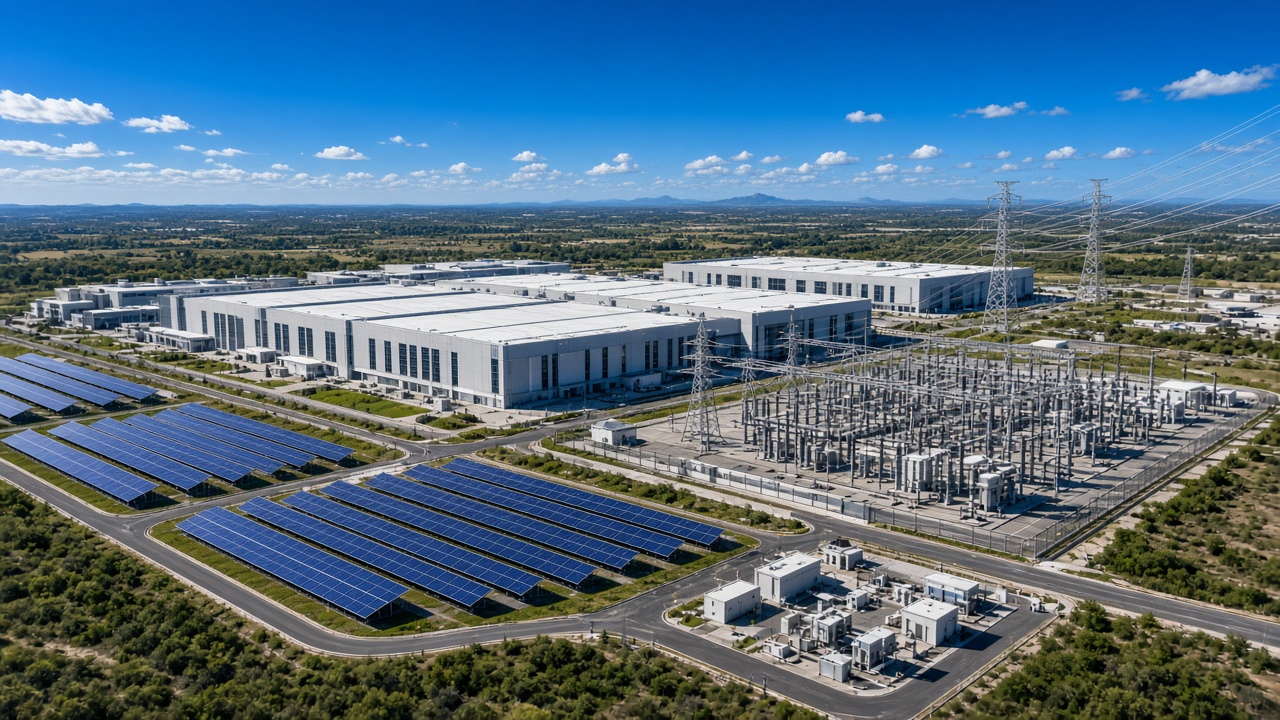
Top 50 US electrical contractors hit $80.4B in revenue as AI data centers boom. Here's what the surge, the labor crunch and grid upgrades mean for electricians.
If you want one number that sums up where the US electrical industry sits right now, here it is: $80.4 billion. That's the combined 2025 revenue of EC&M's 2026 Top 50 Electrical Contractors, up a staggering 35% in a single year. And the engine behind it isn't a mystery. It's the AI data center.
I've been watching this space closely, and I'll be honest: I don't think we've ever seen a single building type reshape the trade this fast. But a boom this concentrated comes with real risks, too. Let's dig into what's actually happening, what's slowing it down, and what it means if you're an electrician, apprentice or contractor deciding where to put your energy over the next few years.
The data center effect, by the numbers
EC&M's 2026 Top 50 special report (September 2026) is about as clear a signal as you'll get:
- 91% of responding firms named data centers as one of their three hottest markets, five points higher than last year.
- 92% said data centers are the electrification segment generating the most activity for their firm.
- 63% said AI-driven hyperscale expansion is having a significant positive impact on business opportunities.
- Data centers have held the "hottest market" title for nine years running.
The wider construction data backs it up. Associated Builders and Contractors chief economist Anirban Basu noted that July's 0.1% rise in nonresidential construction spending was "entirely due to data centers," with spending down in eight of the 16 nonresidential subcategories. His warning is worth sitting with: contractor optimism is "increasingly dependent on a single sector."
And the long-run demand forecasts are still big. The Electric Power Research Institute has said data centers could represent up to 17% of US electricity demand by 2030 and as much as 20% by 2035, as reported by Utility Dive.
The catch: people, transformers and permission
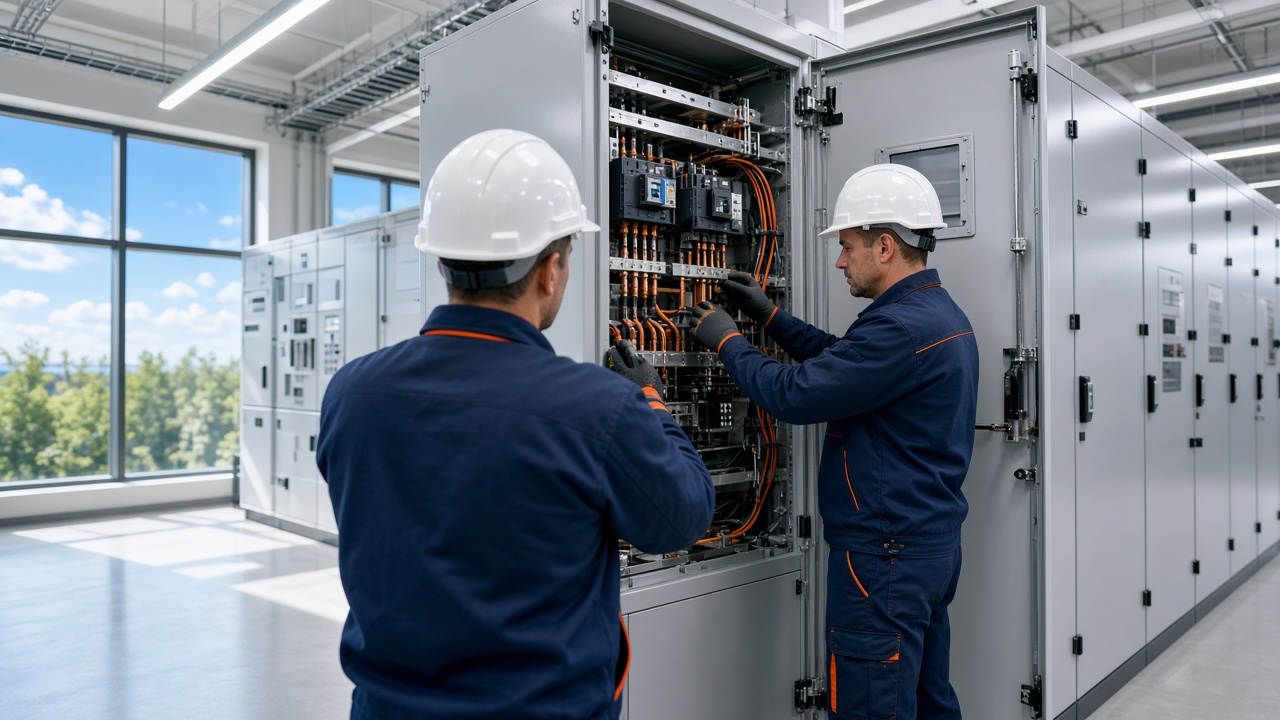
Here's where it gets more realistic. The same Top 50 survey found 83% of contractors report labor shortages. Record revenue, and most firms still can't find enough skilled hands.
The Associated General Contractors of America and NCCER's 2026 workforce survey (1,830 respondents, July–August 2026) puts a sharper point on it. As HRD reported on October 21, electricians are now the hardest construction occupation to hire, ahead of HVAC techs, pipefitters and welders. Among firms that worked on a data center in the past year, 58% said those projects increased competition for skilled workers and 49% reported more wage pressure. Across all respondents, 42% said worker shortages delayed projects, the most commonly cited cause of delay.
AGC's Macrina Wilkins put it bluntly: "You can poach and offer competitive wages, but if you literally do not have the number of skilled individuals needed to get a project done, you are just going to have to wait."
Then there's equipment. EC&M's October 21 feature on designing and powering the future grid flags transformer manufacturing as a significant bottleneck, with domestic production and early supplier engagement now critical to schedules.
And finally, permission. Utility Dive describes the boom as entering "a new, contradictory phase": construction is robust, but local opposition over water, power costs and reliability is mounting. Goldman Sachs has predicted only 50% to 60% of planned data center capacity will come online in the next two years amid delays and cancellations. The Top 50 report also lists community opposition and permitting delays as new risks contractors are now actively vetting for.
The grid is the second wave
This is the part I'm genuinely most excited about. Every gigawatt of data center load needs transmission, substations and distribution upgrades behind it. EC&M notes the DOE's Grid Modernization Initiative carries nearly $1.9 billion in funding, with emphasis on advanced conductors, transmission technologies and regional upgrades. Utilities are deploying static synchronous compensators, ACSS conductors and digital substations, and looking ahead to AI-driven operations and DER management systems.
In plain English: even if some data center projects slip, the grid work they've triggered is long-cycle infrastructure that doesn't disappear when one campus gets cancelled. That's a far more durable pipeline for linemen, substation electricians, relay techs and controls specialists.
My take: ride the wave, but build a moat
I'm optimistic, but not naive. A market where one sector props up the whole outlook can turn quickly. So here's my practical advice depending on where you sit:
If you're a journeyman or licensed electrician:
- Data center experience is currency right now. Medium-voltage terminations, switchgear, UPS systems, busway and commissioning work all transfer directly to utility, industrial and manufacturing roles if the cycle cools.
- Chase the skills, not just the rate. Higher wages are real, but AGC's point stands: pay mostly moves the same workers around. The people who come out ahead are the ones who leave a project with new certifications and a commissioning or controls credential.
If you're an apprentice or thinking about the trade:
- You've picked a great moment. BLS projects electrician employment to grow 9% from 2025 to 2035, with around 72,700 openings a year, and specifically cites AI and data center demand as a driver.
- Ask contractors directly whether they rotate apprentices across data center, industrial and utility-adjacent work. Breadth is your insurance.
If you're a contractor:
- Diversify deliberately. Manufacturing and health care ranked as the next hottest markets in the Top 50 report.
- Invest in your own pipeline. The Top 50 firms are leaning into apprenticeship programs and off-site prefabrication to boost productivity. Growing your own talent beats bidding wars every time.
- Lock in long-lead equipment early and vet community sentiment before you commit crews.
What about Canada?
The same forces — AI-driven load growth, grid upgrades and a tight skilled-trades market — are showing up north of the border too, and we'll be digging into Canada-specific projects and hiring in upcoming posts. If you're a Canadian electrician eyeing cross-border or utility work, keep an eye on this blog.
The bottom line
The US electrical trade just had a record year, and AI infrastructure is the reason. The constraint isn't demand; it's people, transformers and public trust. That's actually great news for anyone with a license and a willingness to keep learning, because the scarce resource in this boom is you.
If you're ready to put that to work, browse the latest electrical jobs across the US and Canada. There are hundreds of live roles on ElectricalRoles.com right now, from data center construction to utility and industrial maintenance.