What Does an Electrician Do? Pay, Licensing and Outlook for 2026

Roles Explained #1: what US electricians actually do, how apprenticeships and licensing work, what they earn per BLS, and why demand is so strong in 2026.
Welcome to Roles Explained, a new series where I break down, one by one, the jobs that keep the lights on across the US and Canada. What the work actually looks like day to day, what it pays, how you get in, and where it can take you.
It makes sense to start with the role at the heart of everything: the electrician. And there's never been a better time to talk about it. Contractors now rank electricians as the hardest construction occupation to hire, according to the 2026 AGC and NCCER workforce survey. When the market is that hungry for a skill, it pays to understand it properly.
What electricians actually do
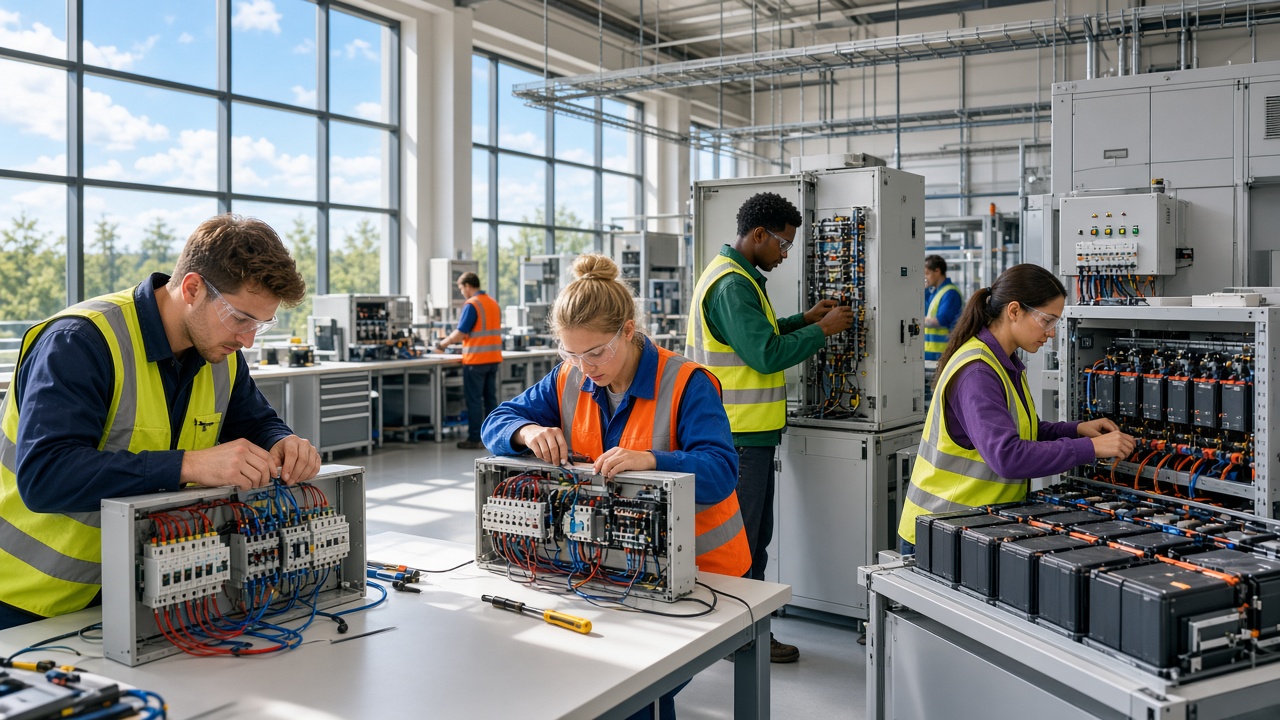
The Bureau of Labor Statistics sums it up simply: electricians install, maintain and repair electrical power, communications, lighting and control systems in homes, businesses and factories. In practice, a typical week might include:
- Reading blueprints and technical diagrams to plan circuits and equipment locations
- Running conduit and pulling wire for lighting, power and control systems
- Inspecting transformers, breakers and panels
- Troubleshooting faults with multimeters, ammeters, thermal cameras and cable testers
- Working to the National Electrical Code (NEC) and state and local rules
- Directing and training apprentices and helpers
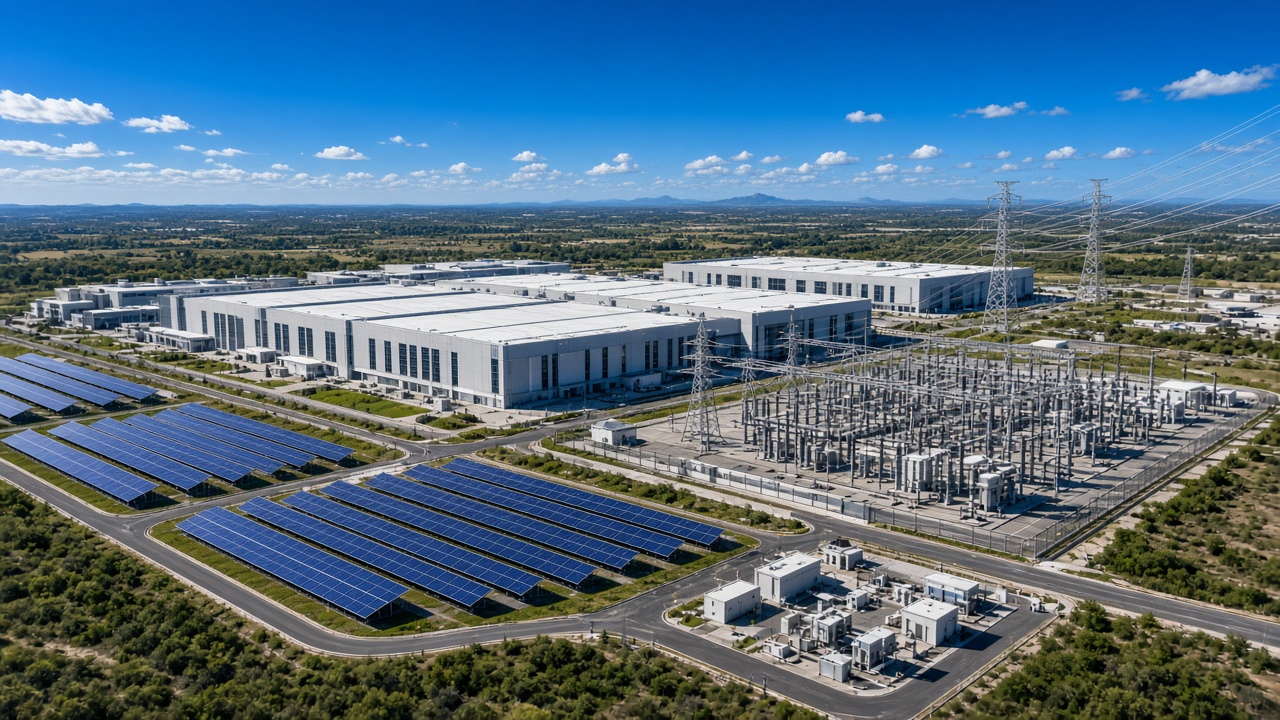
That sounds like one job, but in 2026 it's really a family of careers. The electrician wiring a new subdivision, the one terminating medium-voltage cable inside a hyperscale data center, and the one keeping a robotic production line running are all doing very different work.
The main flavors of the trade
Residential electricians wire new homes and renovate old ones. More and more of that work now involves EV chargers, panel upgrades, solar and home batteries. It's customer-facing, varied and a common route to running your own business.
Commercial and inside wiremen work on offices, hospitals, schools and, increasingly, data centers. Bigger crews, bigger systems, and often union pathways through IBEW/NECA apprenticeship programs.
Industrial and maintenance electricians keep factories, plants and warehouses running. Motors, drives, PLCs and controls are the bread and butter here. BLS data shows electricians in manufacturing earn a median of $74,550, well above the overall trade median.
Lineworkers build and maintain the distribution and transmission lines that carry power from generation to customers. BLS tracks them separately as electrical power-line installers and repairers, with a median of $95,320. We'll give them their own post in this series.
What electricians earn
According to the BLS Occupational Outlook Handbook (May 2025 data):
- Median pay: $63,190 a year, or $30.38 an hour
- Lowest 10% earned under $42,640; highest 10% earned over $108,510
- By industry: federal government $79,820, manufacturing $74,550, electrical contractors $61,570
My honest read: the median undersells what's possible. Overtime is common, specialist skills command a premium, and the top 10% clearing six figures tells you the ceiling is high for people who specialize, supervise or run their own shop. With 49% of data center contractors reporting rising wage pressure in the AGC survey, the direction of travel is up.
How you become one
The good news: you don't need a degree. The typical path, per BLS:
- High school diploma or equivalent. Math, physics and shop classes help.
- Apprenticeship. Usually 4–5 years, with about 2,000 hours of paid on-the-job training per year plus classroom instruction in electrical theory, blueprint reading, code and safety. You earn while you learn.
- Licensing. Most states require electricians to pass an exam, largely based on the NEC and local codes. Requirements vary by state, so check your state licensing board (CareerOneStop has a directory).
- Journeyman, then master. After the apprenticeship you're a journey worker; with more experience and testing you can become a master electrician, supervisor or project manager.
Some people start at a technical school first, which can earn credit toward an apprenticeship, and military experience can shorten the path. Unions, contractor associations and individual employers all sponsor programs. Apprenticeship.gov is a great place to search.
Why the outlook is so strong
BLS projects electrician employment to grow 9% from 2025 to 2035, much faster than the 3% average for all occupations, with around 72,700 openings a year. Importantly, BLS specifically calls out AI and data center growth, plus the grid upgrades and renewable connections that come with them, as drivers.
That matches what we're seeing on the ground. EC&M's 2026 Top 50 contractors grew revenue 35% in a year, and 83% of them report labor shortages. And unlike a lot of jobs being reshaped by AI, this one is being created by it. As AGC's Macrina Wilkins pointed out, contractors use AI mostly for office tasks like estimating; the shortage is in the field.
Is it right for you?
The BLS lists the qualities that matter: color vision (you'll identify wires by color), critical thinking, troubleshooting, customer service, physical stamina and strength (components can weigh up to 50 pounds). I'd add one more: curiosity. The tech changes fast. Battery storage, smart panels, EV infrastructure and digital substations didn't feature in many apprenticeships a decade ago.
It's also honest work in every sense. Electricity is dangerous; shocks, falls and burns are real risks, which is why safety training and PPE are non-negotiable. Expect some cramped spaces, early starts and weather.
My advice if you're starting out
- Pick your first employer for training quality, not just the hourly rate. Ask how they rotate apprentices across residential, commercial and industrial work.
- Get comfortable with tech early. Tablets, digital testers, BIM models and controls software are standard kit now.
- Think one step ahead. Solar PV, controls, fire alarm and commissioning certifications all widen your options.
- Keep a log of everything you've worked on. It makes licensing applications and job interviews far easier.
Coming up in Roles Explained
Next in the series we'll cover lineworkers, industrial maintenance electricians, solar and battery installers, controls technicians and more, with Canadian pathways included where they differ.
In the meantime, if you're ready to make a move, browse electrician jobs across the US and Canada. There are hundreds of live roles on ElectricalRoles.com, from apprenticeships to master electrician positions.