NERC's New Data Center Grid Rules: What They Mean for Electricians
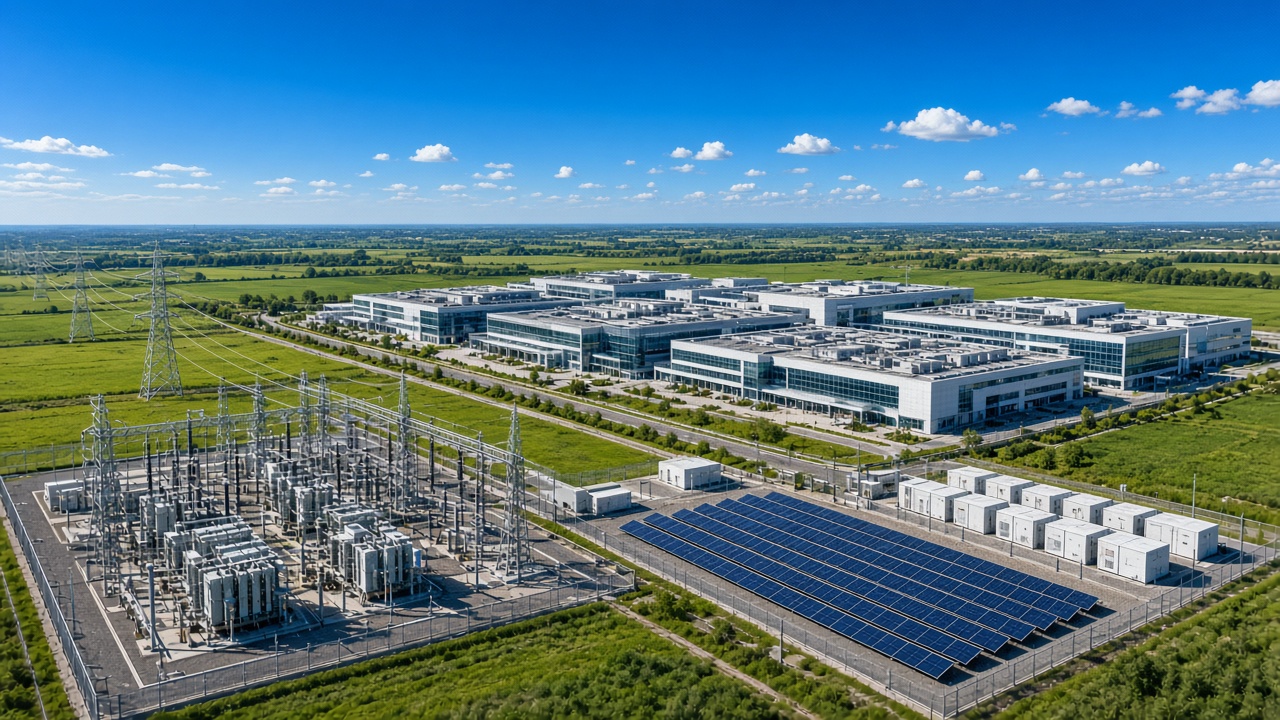
NERC adopted reliability standards for AI data centers and crypto loads over 50 MW. What the CLO rules require and the protection and substation work ahead.
Here's a sentence I didn't expect to write a few years ago: big data centers are about to be regulated a bit like power plants.
On October 26, the North American Electric Reliability Corporation (NERC) Board of Trustees adopted a set of foundational reliability standards for what it calls computational loads: AI data centers, cryptocurrency mining operations and similar facilities. The standards passed their final stakeholder ballot in mid-October, and NERC will now file them with the Federal Energy Regulatory Commission (FERC) for approval and coordinate with authorities in Canada on next steps.
This could sound like a dry compliance story. It isn't. If you work in protection and control, substations, commissioning, power quality, or electrical work inside large data centers, these rules describe a big chunk of your work for the next few years. I'm genuinely excited about it, because it's the grid and the data center industry growing up together, and that always creates skilled jobs.
Why NERC is doing this
For decades, load was the easy part of the grid. Customers used power, demand moved slowly, and planners worried mostly about generators and transmission. Giant computing sites changed that.
POWER magazine's detailed write-up lays out the incidents behind the rules. In July 2024, successive transmission faults in the Eastern Interconnection triggered the near-simultaneous loss of roughly 1,500 MW of data center load. It wasn't the utility disconnecting them; it was customer-side protection and controls. System frequency jumped to 60.053 Hz before settling back within four minutes. A separate NERC review in January 2026 looked at 26 events involving crypto mining loads in ERCOT between January 2023 and September 2025, each with load reductions over 100 MW, where facilities lost between 17% and 95% of their consumption after normally cleared faults.
Put simply, when a fault happens out on the transmission system, some of these sites have been dropping off the grid in a big hurry, all at once. When hundreds of megawatts of demand vanish in seconds, the rest of the system has to absorb it. NERC issued a Level 3 Essential Action Alert on May 4 telling registered entities to act on modeling, interconnection studies, commissioning, protection and control, disturbance monitoring and coordination. That alert wasn't a mandatory standard. These new rules are meant to become one.
The demand outlook explains the urgency. NERC said in January that summer peak demand across the bulk power system is forecast to grow by 224 GW over the next 10 years, a 24% increase on 2025, with data centers a major driver, as Utility Dive reported.
Who the rules cover
The standards apply to computational load sites with at least 50 MW of total connected load supplied through equipment connected to the bulk power system at 100 kV or above, including sites served from multiple connection points. NERC originally proposed 20 MW and 60 kV, and raised the thresholds after stakeholder comments.
On October 8, the NERC board also approved Rules of Procedure changes creating two new registered entity types: Computational Load Owner and Computational Load Operator. That's a big shift. Organizations that historically had no NERC obligations are being brought into the framework. Per POWER, a single site can have multiple registered owners or operators depending on who owns the equipment and who runs it.
The three new standards, in plain English
The package (NERC Project 2026-02) has three new standards plus revisions to two existing interconnection standards, FAC-001 and FAC-002.
CLO-001-1: interconnection studies and modeling. Sites need coordinated interconnection studies, commissioning procedures and planning-model data. Owners have to provide modeling data on equipment tripping, ride-through capability and recovery after disturbances, and verify their model parameters match what's actually installed. If hardware, software, firmware or settings change in a way that alters dynamic response, updated verification is due within 180 days.
CLO-002-1: operational data and communications. Transmission operators, balancing authorities and reliability coordinators specify the data they need to plan, monitor and assess operations, and sites must provide it. Operators need communications capability with their grid operators, procedures for when communications fail, and training on oral operating instructions. Requirement R8 says operators must follow operating instructions unless they physically can't or it would violate safety, equipment, regulatory or statutory requirements. NERC has stressed this doesn't change the service priority a site has agreed to.
CLO-003-1: protection coordination and disturbance monitoring. Owners need a process to develop protection settings so systems operate in the intended sequence during faults, including coordinating settings across equipment owned by different parties. The standard also requires sequence-of-events recording of specified breakers, fault recording and continuous dynamic disturbance recording. Site owners handle sequence-of-events data for breakers they own, while fault and dynamic recordings fall to whoever owns the main power transformer supplying the site.
The timeline
None of this is enforceable until FERC approves it and implementation periods run. A FERC order from July 16 requires NERC to file the initial standards and registration criteria by December 31, 2026, and a work plan for further standards by March 1, 2027.
The proposed phase-ins, as POWER summarized them, are staggered. Under CLO-002-1, grid operators get six months to issue data specifications, and site owners and operators generally get 12 months to meet them. Protection coordination requirements start after nine months. Disturbance monitoring gets the longest runway: existing sites get 36 months to meet recording requirements, because it takes time to buy and install equipment and schedule outages.
One big piece is still to come: minimum voltage and frequency ride-through requirements. This first package collects data on ride-through capability but doesn't set an industry-wide standard for how long a site must stay connected through a disturbance. NERC's working group has more Standard Authorization Requests in stakeholder review, and its roadmap lists disturbance performance, load oscillations, model validation, event reporting, co-located generation and cybersecurity as future topics.
What this means for electrical careers
This is where I get optimistic. Rules like these don't just create paperwork. They create physical work and skilled work, and much of it lands on electrical people.
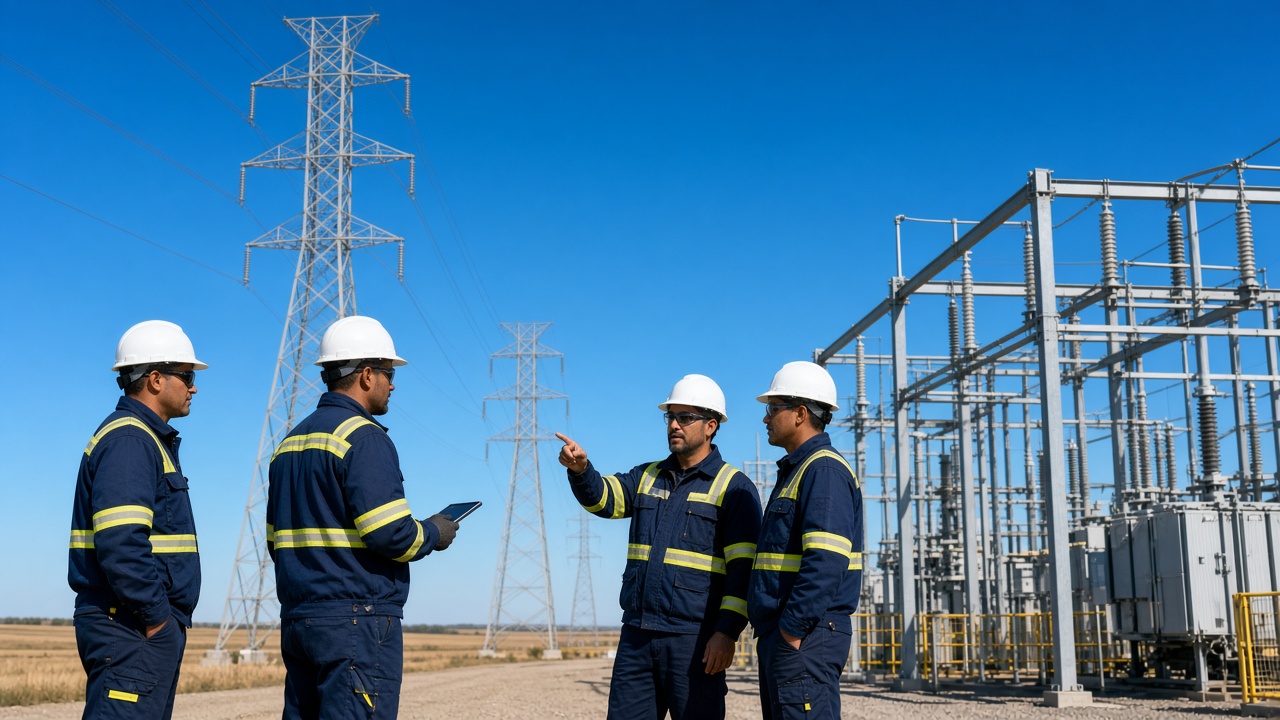
Protection and control. CLO-003-1 is a protection coordination standard at heart. Somebody has to study, set, test and document relays and protective devices across utility-owned and customer-owned gear so they operate in the right sequence. If you're a relay technician or P&C engineer, your skills just got even more valuable. (If you want the basics of that role, I covered what a relay technician does last week.)
Disturbance monitoring installs. Sequence-of-events recorders, digital fault recorders and continuous dynamic recording at every qualifying site means design, procurement, installation, wiring, commissioning and ongoing maintenance. The 36-month window for existing sites tells you NERC expects a real build-out. Substation electricians and technicians will be busy.
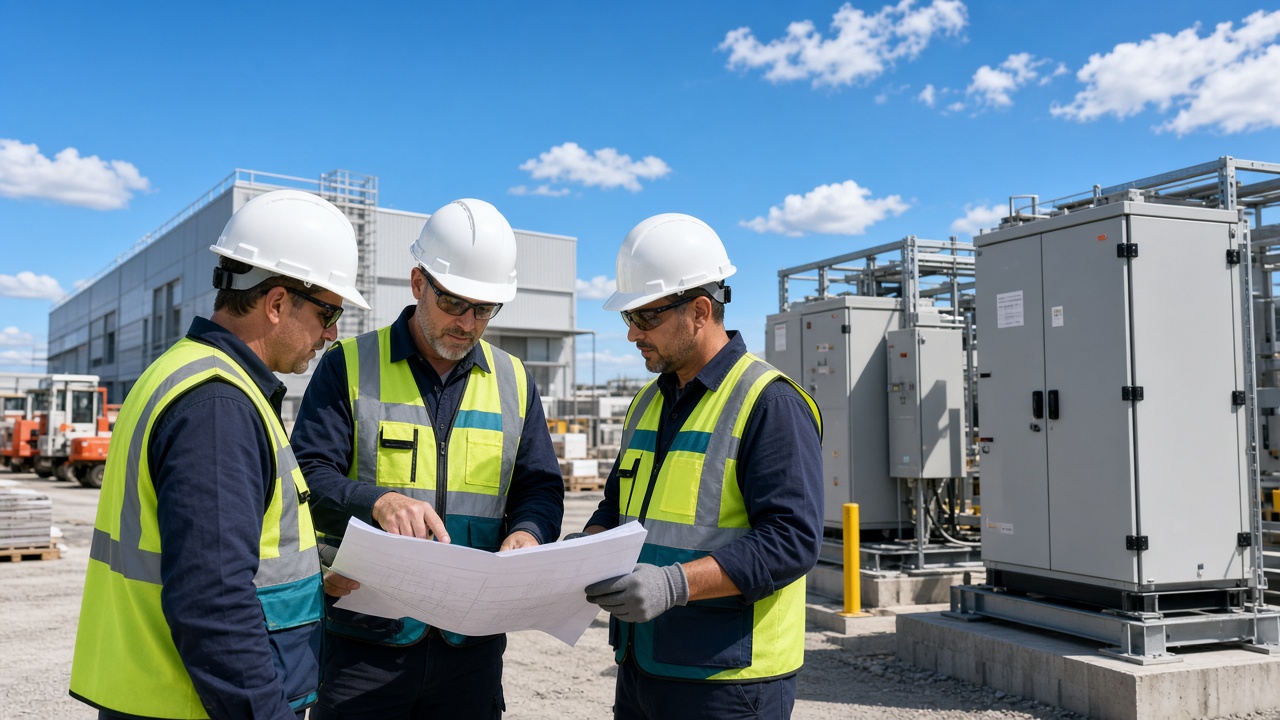
Commissioning and testing. CLO-001-1 brings formal commissioning procedures into the interconnection process. Commissioning agents, testing technicians and NETA-certified techs who can verify a site behaves like its model says it will are going to be in demand.
Modeling and power systems engineering. Every qualifying site needs verified dynamic models. That means more work for power systems engineers who can model UPS systems, power electronics and controls, and for the field techs who gather the as-built settings and data to back those models up.
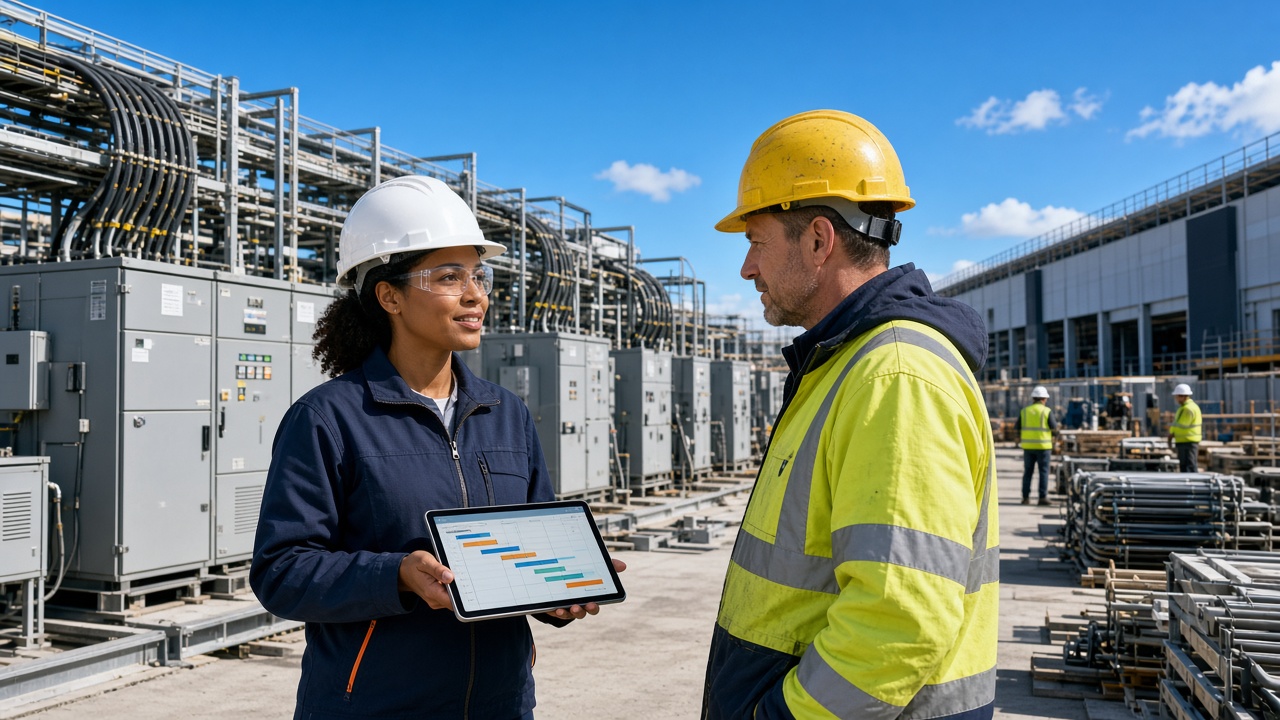
Data center critical facilities teams. Sites will need people trained in operating instructions, grid communications and procedures. I expect data center operators to look harder for staff who understand utility operations and NERC compliance, not just mechanical and electrical uptime. If you've worked at a utility and you're curious about data centers, or vice versa, you could be very well placed.
Compliance roles. New registered entity types need compliance programs. People who understand both the electrical side and NERC standards will be hard to find for a while.
My take
It's easy to frame data centers as a problem for the grid. I see it differently. The industry found real risks, studied them, wrote fixes with input from utilities and stakeholders, and is now phasing them in with realistic timelines. That's how a healthy system handles fast growth. Of course, FERC still has to act, and the final details could change, so keep an eye on it.
For working electricians and technicians across the US and Canada, the message is simple. The AI build-out isn't only about pulling cable inside data halls. It's increasingly about the interface between those buildings and the grid: the substations, the relays, the recorders, the models and the people who keep them coordinated. That's skilled, well-paid, long-term work, and it's growing.
If you want to be part of it, browse the latest substation, protection and data center jobs on ElectricalRoles.com. This is a great time to be in the trade.