Canada's Power Build-Out: Where the Electrical Work Is Coming
Hydro-Québec's 2041 plan, six new Ontario stations, Nova Scotia's capacity call and Fortis's C$32.2B plan: what Canada's grid build-out means for jobs.
Most of the grid headlines we cover on this site come out of the US: PJM, ERCOT, the big transmission plans in the Midwest. But this week some of the most interesting news came from north of the border, and it adds up to a simple message for anyone with a ticket, a license or an apprenticeship in progress. Canada is gearing up for one of the biggest electrical build-outs in its history, and it's going to need a lot of skilled hands.
In the space of a few days, Hydro-Québec put a 15-year supply plan in front of its regulator, Ontario's grid operator published draft recommendations for a fast-growing corner of the Greater Toronto Area, Nova Scotia opened the door to almost every kind of on-demand capacity you can think of, and Newfoundland-based Fortis unveiled the largest capital plan in its history. Here's what each one says, and what I think it means for electricians, lineworkers, substation crews and the people who hire them.
Hydro-Québec: 60 TWh of new demand by 2041
On November 3, Hydro-Québec released its Overview of Energy Resources as part of its Electricity Supply Plan 2027–2041, filed with Québec's Régie de l'énergie. The headline numbers are big. The utility expects customer energy needs to rise by about 60 TWh to roughly 240 TWh by 2041, driven mainly by the electrification of transportation and growing industrial demand. Winter peak demand is projected to climb by around 12,000 MW to a peak of 52,000 MW.
CBC/The Canadian Press reported that the plan also points to data centers and building retrofits away from fossil fuels as growth drivers, and that Hydro-Québec intends to add 24,000 MW of generation capacity by 2041. Executive vice president Dave Rhéaume put it plainly: "We need the new generation assets to come online." The utility is also targeting 21 TWh of energy savings and a 3,500 MW reduction in power demand by 2035, backed by a C$10 billion efficiency program.
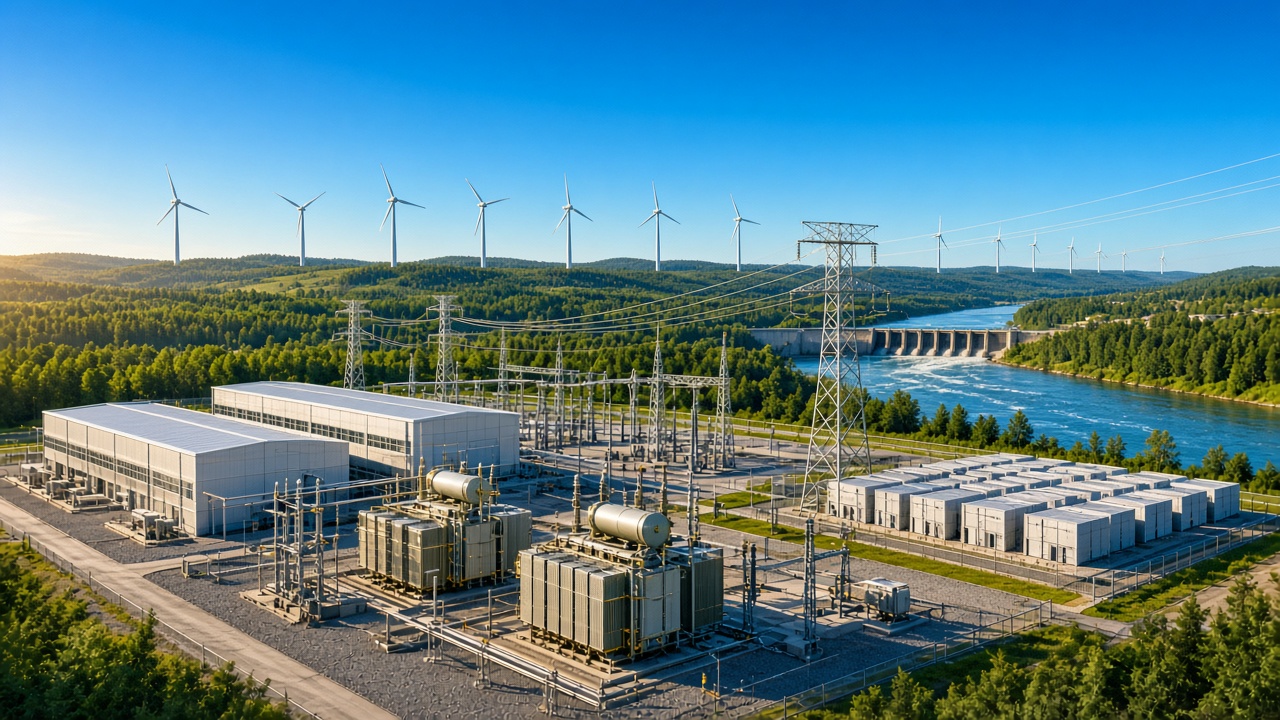
What's in the toolbox? Wind development, capacity increases at existing hydro stations, the cooperation agreement with Newfoundland and Labrador Hydro, more solar, support for self-generation, new battery storage and a modernized Bécancour generating station for peak periods.
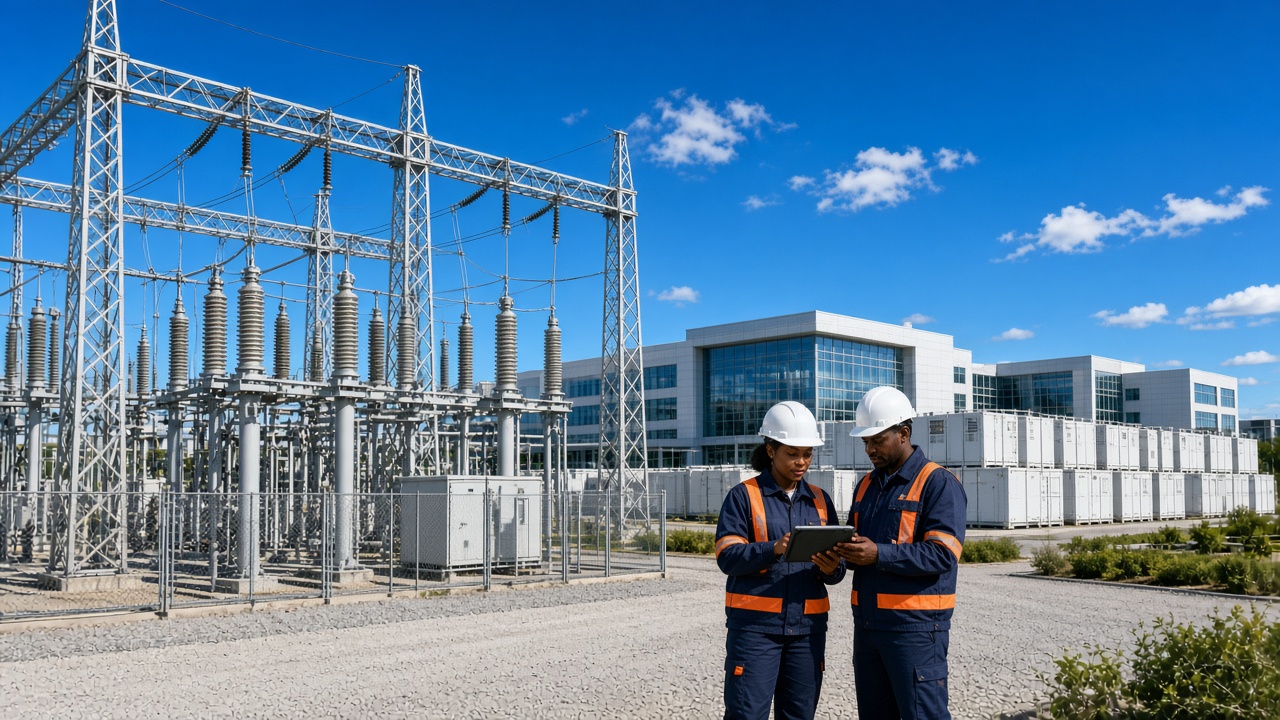
From a careers point of view, that list is a gift. Wind farms need collector systems, substations and high-voltage interconnections. Hydro upgrades need generator, excitation and protection work. Batteries need commissioning crews who understand inverters and controls. Efficiency programs need electricians on the ground doing controls retrofits, heat pump circuits and smart metering. Every one of those is a job family, not just a project.
Ontario: six new stations and four new lines planned for GTA West
Ontario's Independent Electricity System Operator held its fourth public webinar on the GTA West regional plan on November 2, and the draft recommendations are some of the most concrete I've seen from any regional planning process this year.
The IESO forecasts GTA West demand growing at 3.4% a year, or 89% by 2044, compared with a provincial rate of about 2% a year. That's housing, industrial growth and electrification all landing in the same region at the same time. The draft plan calls for load transfers and reconfigurations in Milton, Brampton and Mississauga, upgrades to existing lines in southern Oakville, and then the big-ticket items: six new transformer stations and four new transmission lines. Two lines would run along portions of the Northwest GTA corridor in Halton Hills, Brampton and Caledon, one along the existing parkway belt corridor through Milton, Mississauga and Brampton, and one along the protected Highway 403 corridor in Oakville.
The IESO is clear that this is still the planning stage. Routing, siting and final station designs come later, and written feedback is open until November 16, 2026. But if you're a substation electrician, a protection and control technologist, or a powerline technician in southern Ontario, this is the kind of document that tells you where the work will be for the next decade. Six transformer stations is a lot of switchgear, relay panels, grounding grids and commissioning hours.
Nova Scotia: a wide-open call for on-demand capacity
On the East Coast, the newly formed Nova Scotia Independent Energy System Operator opened a technology-neutral request for qualifications on October 30, as pv magazine reported. It's open to projects of at least 10 MW, with submissions due January 30, 2027, and eligible technologies include battery storage, pumped hydro, long-duration storage, geothermal, biomass, hydrogen, small modular reactors and hybrid projects such as storage paired with wind or solar.
The context is that coal still supplies about 40% of the province's electricity, and provincial law calls for coal to be phased out and 80% of generation to come from renewables by 2030. The province's Clean Power Plan calls for roughly 1,000 MW of new onshore wind, at least 300 MW of larger-scale solar and 300 to 400 MW of battery storage by 2030. Nova Scotia Power switched on three 50 MW/200 MWh batteries in September.
I love the "technology-neutral" framing, because it reflects where the industry is heading. The question is no longer "which technology wins?" but "what mix keeps the lights on at the lowest cost?" For electrical workers, that means versatility pays. The person who can terminate medium-voltage cable on a wind collector circuit on Monday and commission a battery energy storage system on Thursday is going to be very busy.
Fortis: a C$32.2 billion five-year plan
Also on November 3, Fortis released its Q3 results and a 2027–2031 capital plan of C$32.2 billion, which it called the largest in the company's history and C$3.4 billion higher than its previous plan. Capital spending for 2026 alone is now expected to be about C$6.0 billion, up from C$5.6 billion.
Fortis is a good example of how cross-border this industry really is. It's headquartered in St. John's and serves customers in five Canadian provinces and ten US states. Much of the increase is tied to FERC-regulated transmission at ITC, including MISO long-range transmission projects and a competitive US$1.0 billion project in Iowa awarded in October. Its Arizona utilities, Tucson Electric Power and UNS Electric, report strong interest from data centers, mining and industrial customers. So a Canadian company's plan is driving line and substation work in Iowa, Michigan, Minnesota and Arizona, while its Canadian utilities keep investing in reliability and customer growth.
The workforce math
None of this gets built without people, and Canada's construction workforce numbers deserve attention. BuildForce Canada's 2026–2035 outlook estimates the industry's overall hiring requirement at 306,200 workers by 2034 once growth and retirements are combined, with a potential shortfall of as many as 34,300 workers even with strong recruitment of young people. It is tracking nearly 800 major projects worth more than C$500 billion, with non-residential investment projected to peak in 2029, and it highlights utility and engineering construction as key drivers.
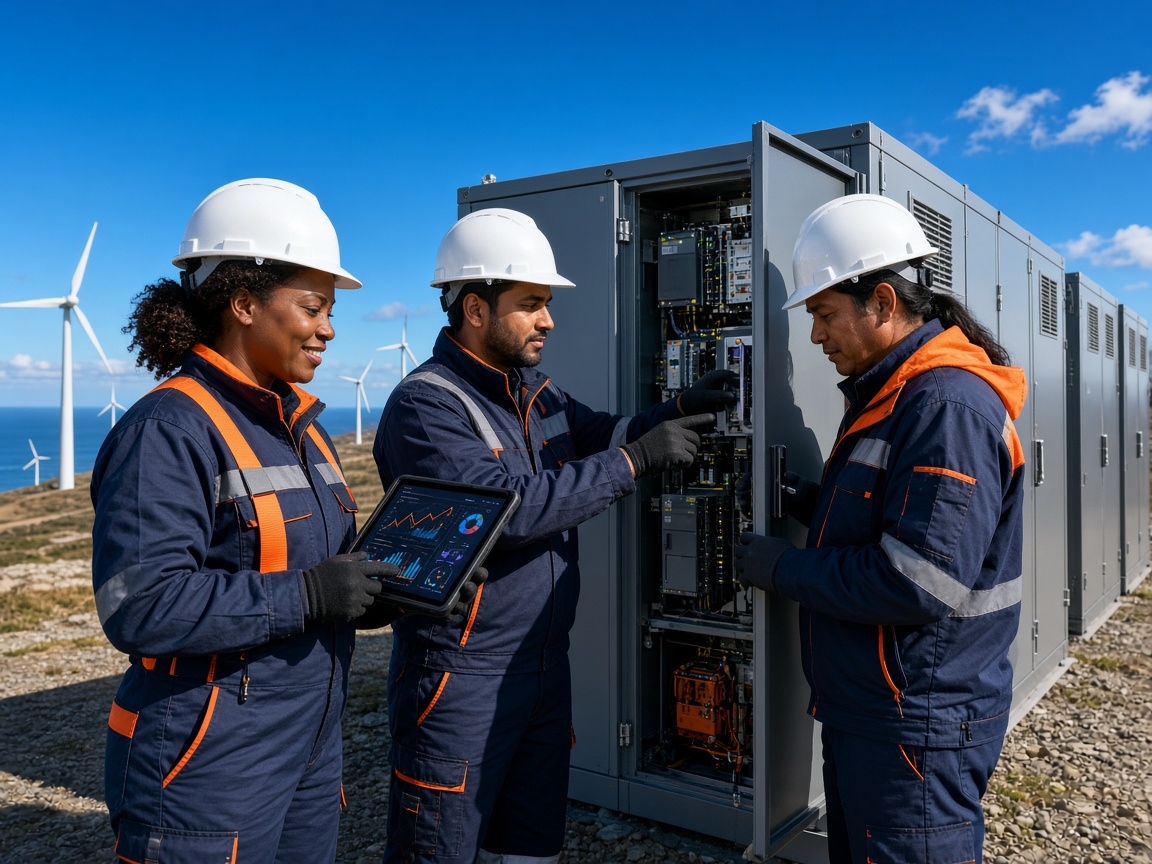
Put those numbers next to Hydro-Québec's 24,000 MW, Ontario's six new stations and Nova Scotia's coal transition, and you can see why I'm optimistic about electrical careers in Canada. When the work pipeline is this long and this visible, employers stop hiring for one project and start hiring for careers.
What I'd do now if I were an electrical worker in Canada
Here's my practical advice, whether you're a first-year apprentice or a 20-year journeyperson.
Follow the planning documents, not just the job ads. The IESO's regional plans, Hydro-Québec's supply plan and Nova Scotia's procurement calls tell you where the work will be two, five and ten years out. Contractors read them. You should too.
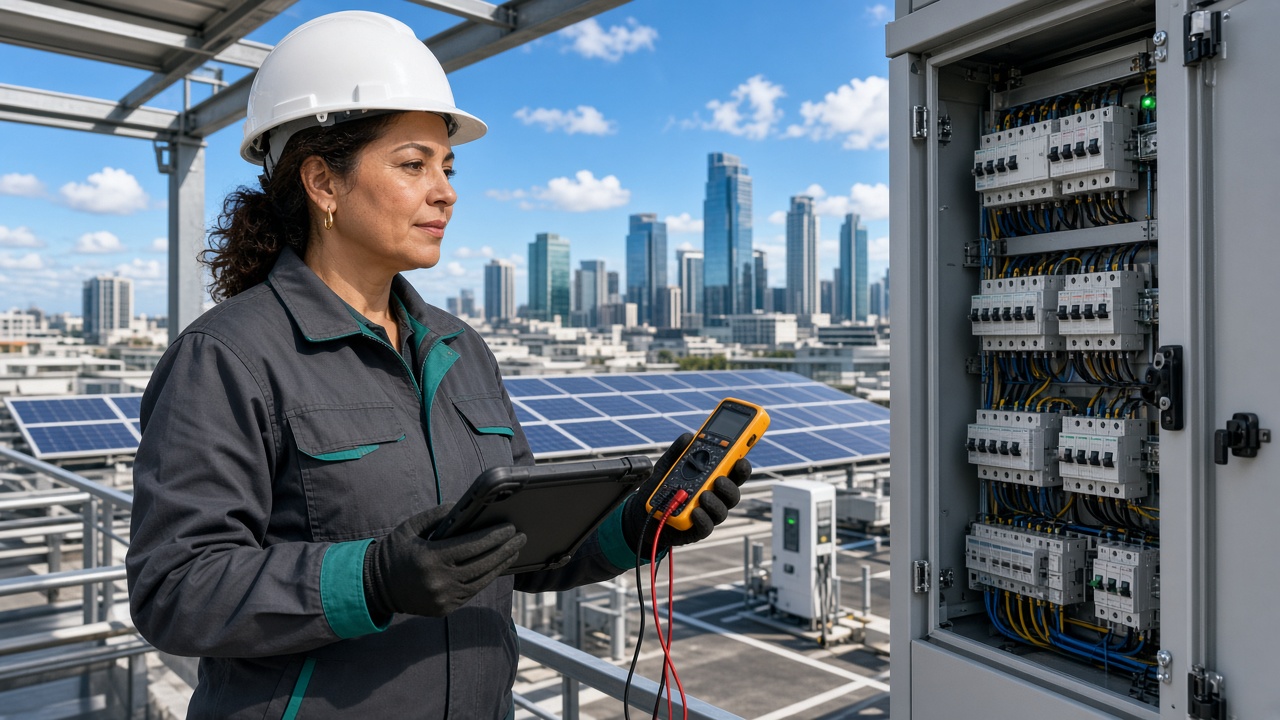
Get close to high voltage. Substations, transmission interconnections and generator upgrades are the backbone of every plan above. If you're in a construction and maintenance trade, look for ways into substation work, protection and control, or powerline technician programs. Testing and commissioning experience is especially valuable.
Learn storage and inverter-based systems. Batteries show up in Québec's plan, Nova Scotia's plan and Fortis's Arizona utilities. Commissioning, SCADA integration and controls troubleshooting on battery systems are skills employers are actively short of.
Think about mobility. Interprovincial Red Seal recognition makes it easier to follow the work across provinces. And as Fortis shows, many employers operate on both sides of the border, which can open doors to US projects for those who are eligible.
Use AI tools to get up to speed faster. I'm a big believer in this one. Tools like Grok Bot, Claude or ChatGPT can help you summarize a 60-page regional plan, quiz yourself on code changes or draft a cover letter tailored to a utility job. They won't replace the hands-on skill, but they'll help you spend more of your time on it.
For employers: hire for the pipeline
If you run a contracting business or a utility team in Canada, the signal is equally clear. The projects are being announced well ahead of time, which gives you the chance to build apprenticeship pipelines now rather than scrambling in 2029. Partner with colleges, sponsor apprentices, and look at under-represented talent pools. BuildForce points out that women make up just 6% of the on-site construction workforce, and newcomers make up about 20% of the construction labor force versus 28% of the overall labor force. Both are big opportunities.
The bottom line
Canada is planning for decades of growth in electricity demand, and the plans released this week are detailed, funded and moving. For electrical workers, that's about as good as it gets: visible, long-term demand for skills that can't be offshored. Whether you're wiring heat pumps in Montréal, building stations in Brampton or commissioning batteries in Nova Scotia, the next decade looks bright.
If you're ready for your next move, browse the latest electrical jobs across the US and Canada on ElectricalRoles.com.