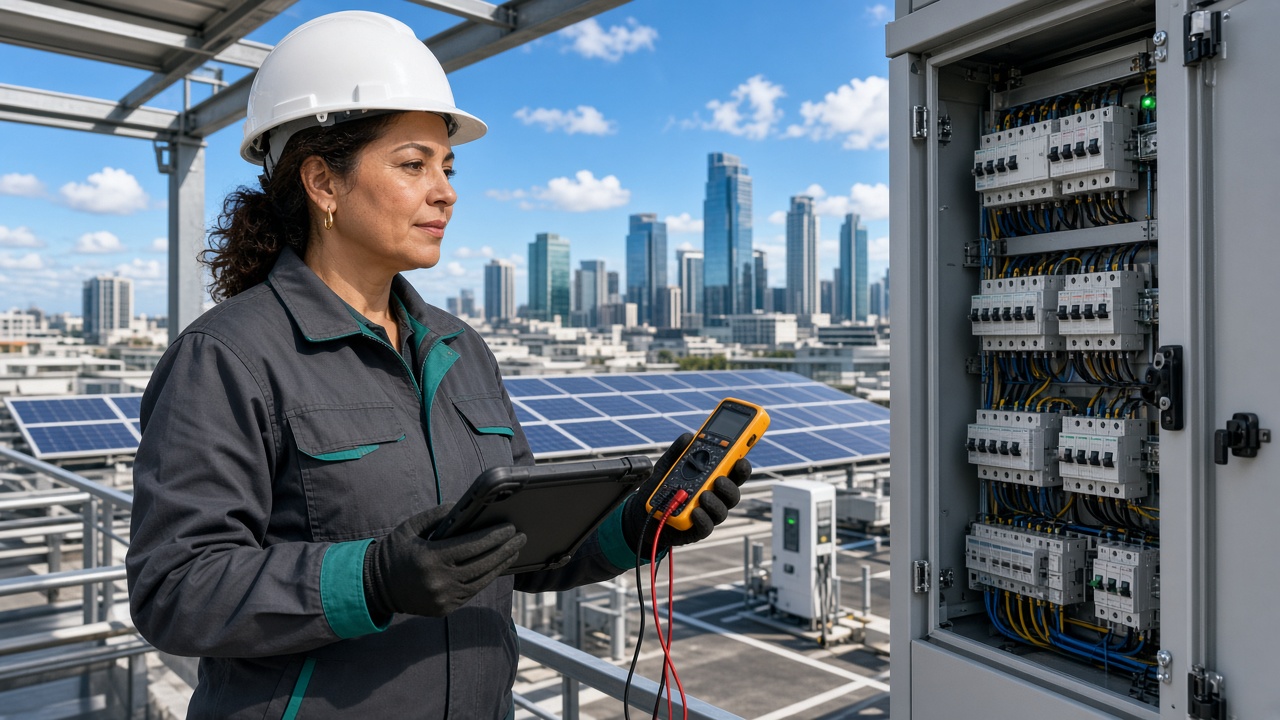
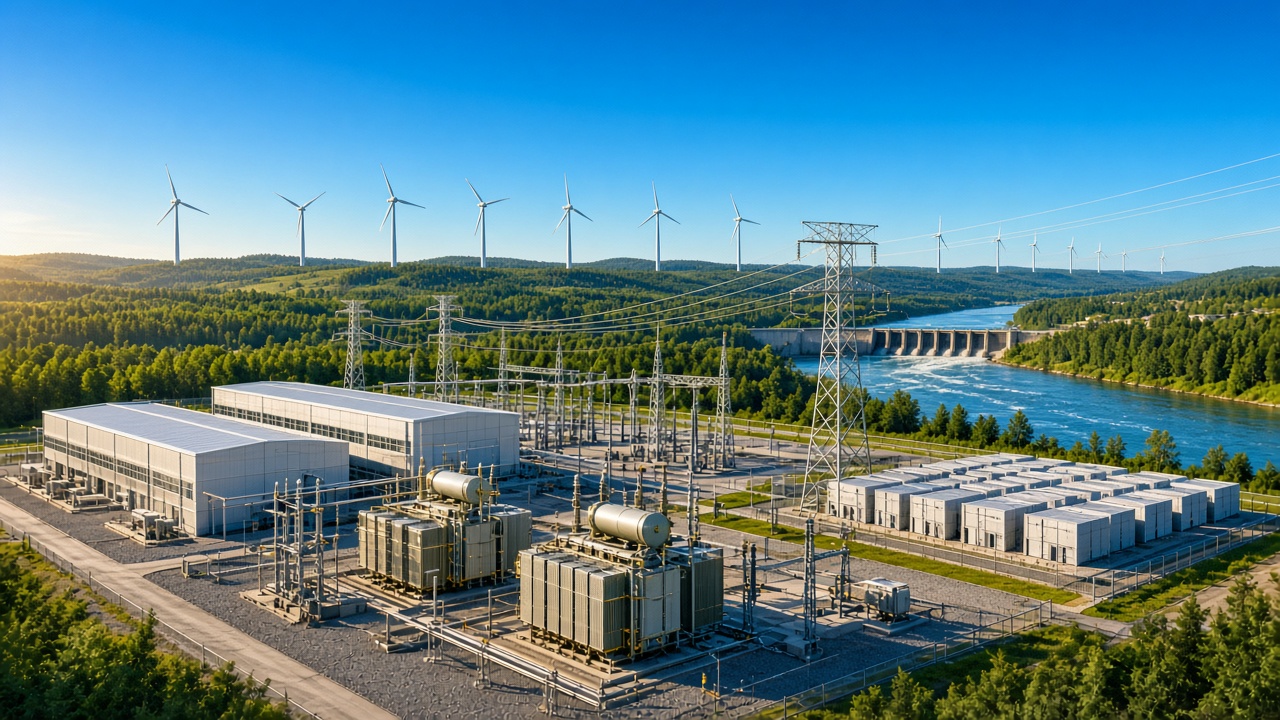
Big Deals, Bigger Backlogs: Where Electrical Careers Head Next
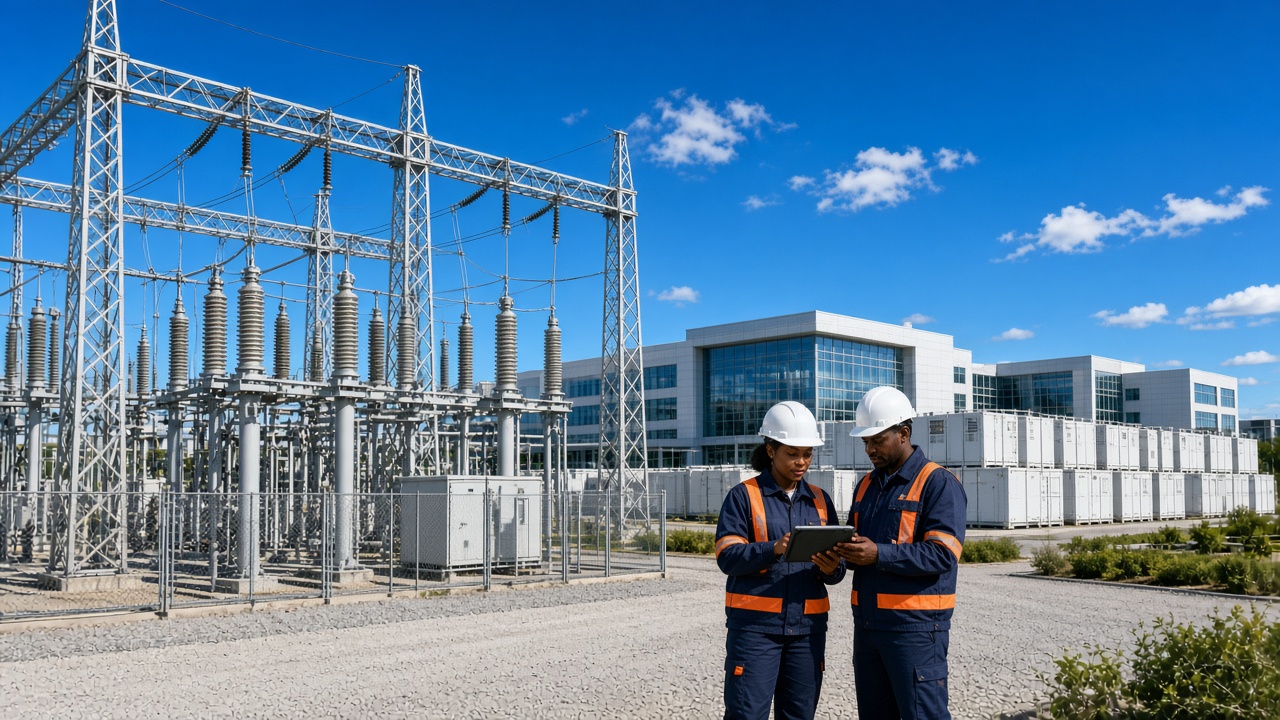
GE Vernova's $9B Trench deal, SOLV and Onni-Rye buyouts, Everus's record backlog and Bird's $1.1B in awards: what this week means for electrical careers.
Some weeks the electrical industry news is a slow drip. This was not one of those weeks. In the space of about four days, a $9 billion high-voltage equipment deal landed, two specialty contractors with serious medium- and high-voltage skills were bought, one of America's biggest electrical contractors posted a record quarter with a backlog nearly double what it was a year ago, a Canadian builder announced more than $1 billion in new work, and a steelmaker said it's hiring 100 people to make more utility poles.
On their own, each of those is a business headline. Put them side by side and they tell a very clear story about where electrical careers in the USA and Canada are heading over the next few years. I've been reading through the announcements and the earnings reports, and here's what I think they mean for electricians, lineworkers, technicians and the people who lead them.
The $9 billion bet on high-voltage hardware
The biggest number of the week came from GE Vernova, which signed an agreement to acquire Trench Group for about $9 billion. If you haven't heard of Trench, you've almost certainly worked near its gear. The company makes high- and medium-voltage bushings, instrument transformers and coils, and its components sit inside the majority of high-voltage direct current lines built around the world. It serves more than 800 utilities and hyperscalers, employs more than 3,000 people and runs 11 manufacturing sites, including two in Canada.
The detail I care most about is the North American angle. Trench's North American order intake has jumped almost 400% since 2024, and the region made up around half of its total orders in the first half of 2026. Earlier this year its HSP US business opened its first US factory in Charlotte, North Carolina, a more than $60 million plant making transformer bushings from 25 kV all the way up to 765 kV. It went from construction to full operation in a year and a half, and manufacturing of 765 kV equipment there is expected to start in late 2027. The deal itself isn't expected to close until late 2027 either, so nothing changes overnight.
Why should a field electrician care about a bushing factory? Because bushings, instrument transformers and the rest of the high-voltage kit are exactly what substation crews, relay technicians and testing and commissioning teams install, wire, test and energize. When a manufacturer of this size commits billions to making more of that equipment closer to home, it's a long-term signal that the substation and transmission pipeline isn't a short-term spike. It also means more manufacturing and test-floor jobs for electrical technicians who prefer a factory setting to a muddy switchyard.
Contractors are buying voltage capability, not just headcount
The second pattern this week was contractors buying other contractors for very specific skills.
On November 2, SOLV Energy completed its acquisition of ASB Energy Services, an Amarillo, Texas contractor that specializes in substation foundations, civil work and battery energy storage infrastructure. SOLV paid about $45 million and said the deal expands its self-perform high-voltage construction capabilities, with ASB serving data center, energy storage, renewable and industrial customers.
The same day, Onni-Rye Holdings acquired Pacific Industrial Electric, a Brea, California contractor founded in 1971. Its work spans high- and medium-voltage systems, power plants, industrial power, data centers, energy storage, power system coordination and a 24-hour emergency response business with rental equipment up to 15 kV. Leadership is staying on. And in New Jersey, CET Energy Solutions acquired Vanguard Building Solutions, an energy-efficiency contractor with established utility program relationships, adding engineering, electrical construction, solar and storage capabilities to the combined business.
Read those three deals together and the common thread jumps out. Buyers are paying for medium-voltage crews, substation experience, storage know-how and service and emergency work. Those are skills that take years to build. You can't hire them off the street on a Monday, so companies are acquiring whole teams that already have them.
For anyone working in the trade, that's a pretty loud hint about where to invest your own learning. If you're a commercial or residential electrician wondering what to do next, medium-voltage terminations and splicing, switchgear maintenance, battery storage commissioning and power system testing are the skills the market is literally paying millions to acquire.

Everus shows what a full order book looks like
If you want proof that the demand is real, look at Everus Construction Group's third quarter results, released November 3. Revenue hit a record $1.38 billion, up 40.3% on the same quarter last year. Its electrical and mechanical segment grew 48%, driven mainly by data center and high-tech work. Total backlog reached a record $5.48 billion, up 86.1% year over year, and the company raised its full-year revenue guidance to between $5.0 billion and $5.1 billion.
Two smaller details in that report caught my eye. First, Everus completed the acquisition of Epsilon Industries in September, which it says significantly expands its off-site modular construction and prefabrication capabilities. Prefab is no longer a side experiment. It's becoming core to how the big contractors deliver data centers and complex buildings, and it creates a different kind of electrical job: shop-based, more predictable hours, and heavy on assembly, quality control and testing.
Second, the company's expenses were up partly because of higher incentive compensation and labor costs to support growth. That's corporate language, but what it tells me is that busy contractors are paying to keep good people. That lines up with the latest federal data: construction job openings hit 298,000 at the end of September and nearly 200,000 construction workers quit in the month, the most since early 2023, according to ABC's analysis of the JOLTS release. People are moving because there are better offers out there.
Canada keeps signing long-term electrical work
North of the border, Bird Construction announced more than $1.1 billion in new awards and multiyear agreements on November 4. The list includes mechanical and electrical maintenance, turnaround and outage services at major industrial and energy facilities across Canada under agreements of up to five years, a significant electrical services scope on a large healthcare redevelopment in Alberta, a new structure supporting Ontario's nuclear sector, a wind project in Eastern Canada and a district energy facility in Western Canada.
What I like about this one is the multiyear maintenance piece. New builds are exciting, but maintenance and outage agreements are what give electricians steady, year-round work for years at a time. If you're a Canadian industrial electrician or instrumentation tech who values stability, contractors with growing maintenance books are worth a hard look.
Even the poles are getting an upgrade
The last story is a reminder that grid jobs reach well beyond the people holding meters and hot sticks. Nucor said it will invest $105 million to expand its Nucor Towers & Structures plant in Crawfordsville, Indiana, adding capacity to make utility poles and related products for transmission and distribution. The expansion is expected to create 100 new jobs paying average annual wages of $87,500, with more than 120,000 square feet of new space built around advanced automation.
That's the supply chain catching up with the field. More poles, more bushings, more instrument transformers means more line and substation work to install them, and more technicians to keep the automated factories running.
What I'd do with this news
I'm genuinely optimistic reading this week's headlines. Money is flowing into the hardware, the contractors and the skills that make the grid bigger and smarter, and that money becomes paychecks. Here's how I'd turn it into a career move:
- Climb the voltage ladder. The acquisitions this week were about medium- and high-voltage capability. Training in MV cable splicing and terminations, switchgear, protection testing or substation construction makes you the person companies want to buy, or hire.
- Look at storage and prefab. Battery storage infrastructure and modular prefabrication both showed up in this week's deals. Both are growing, both reward people who like systems and precision, and prefab shops often offer steadier hours.
- Follow the backlog. Contractors with record backlogs, like Everus, are the ones paying incentives and investing in people. Before you take an offer, ask about backlog, the mix of work and how long the pipeline runs.
- Don't overlook maintenance and service. Bird's multiyear agreements and Pacific Industrial Electric's emergency business show how valuable reliable service work is. It's a great path if you want variety and stability together.
- Know what you're worth. With quits at their highest in more than two years, the market is telling you skilled people have options. Benchmark your pay against live postings before your next review.
If you're ready to make a move, browse the latest electrical jobs across the USA and Canada on ElectricalRoles.com. There's never been a better time to be the person who knows how to make power flow.