What Does an Electrical Inspector Do? Pay, Certs and Outlook
What electrical inspectors do, what they earn, the ICC E1/E2/E3 path, Canadian routes, and how virtual inspections and electrification are changing the job.
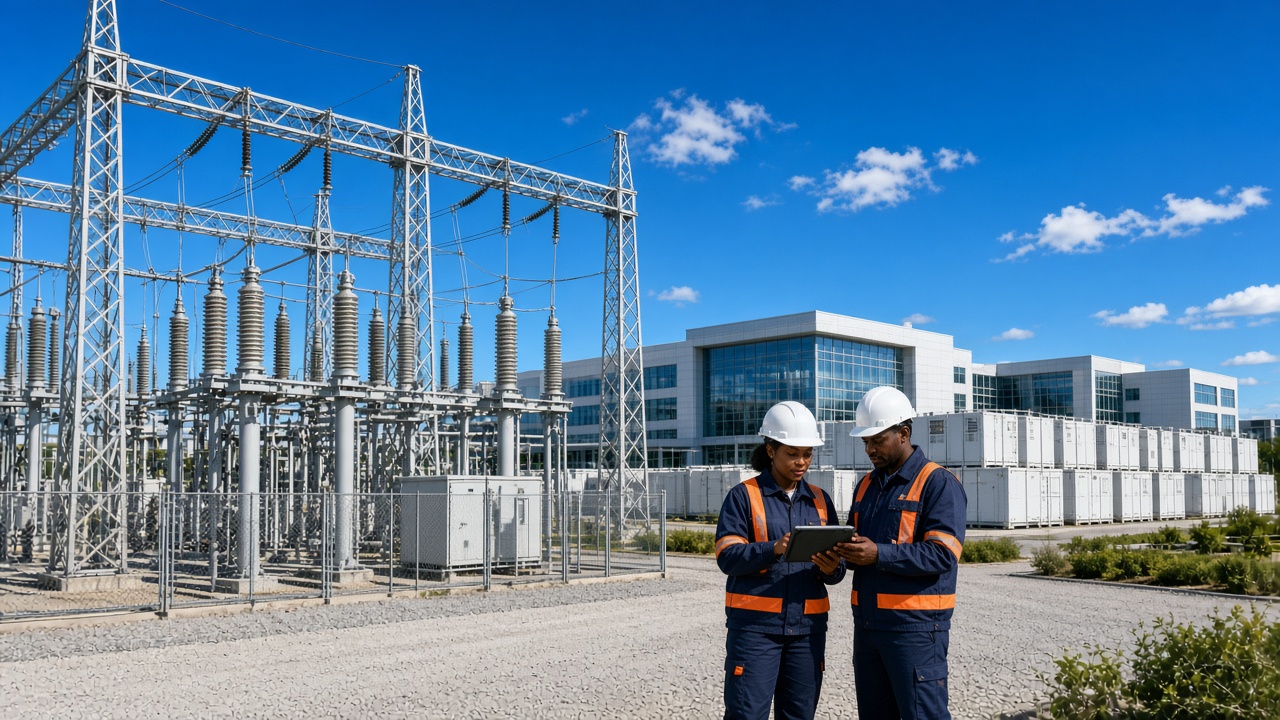
Every panel, every service upgrade, every EV charger and every rooftop solar array that goes live in North America has one thing in common: before anyone flips the switch, somebody has to sign off that it's safe. That somebody is the electrical inspector. It's one of the most respected roles in the trade, and one of the least talked about. So for the next installment in our "what each electrical role does" series, I want to give it the spotlight.
If you're an experienced electrician wondering what comes after the tools, or you're simply curious how the approval side of the industry works, this one's for you.
What an electrical inspector actually does
An electrical inspector checks installed electrical work against the code that applies in that jurisdiction. In most of the US, that's the National Electrical Code (NFPA 70), which the International Code Council notes has been adopted in all 50 states, often with local amendments. In Canada, it's the Canadian Electrical Code, adopted provincially; Ontario, for example, enforces the Ontario Electrical Safety Code.
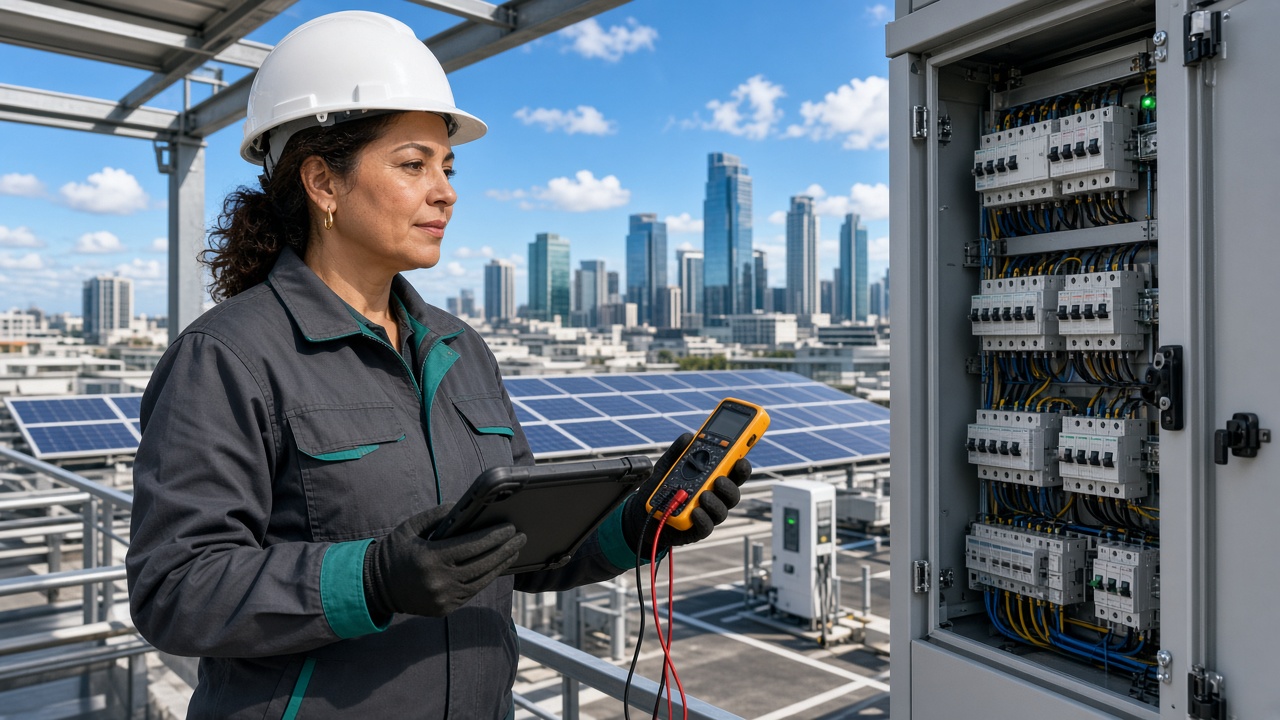
The US Bureau of Labor Statistics describes electrical inspectors as examining a building's installed electrical systems to ensure compliance and proper functioning, including sound and security systems, lighting, photovoltaic systems, generating equipment, and wiring for HVAC systems and appliances. In practice, a typical week might include:
- Rough-in inspections, before walls are closed, checking boxes, conductors, fill, grounding and bonding.
- Service and final inspections, checking panels, overcurrent protection, labeling, GFCI and AFCI protection, and the finished installation.
- Solar, storage and EV charging sign-offs, which have become a big part of the workload as electrification takes off.
- Plan review, for inspectors who also work as plans examiners, checking load calculations and one-line diagrams before a permit is issued.
- Writing corrections and reports, and explaining clearly to contractors what needs fixing and why.
That last point matters more than people think. The best inspectors aren't just code experts. They're teachers. A good inspector explains the "why" behind a correction, and a contractor walks away better at the job.
Where inspectors work
BLS groups electrical inspectors with construction and building inspectors, an occupation of about 153,900 jobs in 2025. The largest employer by far is local government, at 36%, followed by engineering services at 19% and construction at 9%. So the classic path is a city or county building department, but there are plenty of others: state electrical programs, third-party inspection agencies, utilities, and owner-side inspection for big industrial and data center projects.
Some states run inspection at the state level. Washington's Department of Labor & Industries is a great example of scale. In its August 2026 Electrical Currents newsletter, the program reported 257,111 inspections in the year ending June 30, 2026, with 82% completed within 24 hours of request. It also wrote 58,153 corrections, 53% of them for serious safety concerns. That's a reminder of why this job exists.
In Canada, inspection is typically handled by provincial safety authorities. In Ontario that's the Electrical Safety Authority (ESA); in British Columbia it's Technical Safety BC, whose field staff are called electrical safety officers.
What it pays
The BLS reports a median annual wage of $74,690 (May 2025) for construction and building inspectors, with the top 10% earning more than $114,200 and the lowest 10% under $47,140. By industry, the median was $77,500 in engineering services, $74,460 in construction and $73,930 in local government.
Those are figures for the whole inspector group, not electrical inspectors alone, and pay varies a lot by location. Experienced electrical inspectors in high-cost metros and state programs often sit well above the median. A useful benchmark is that the BLS median for electricians is $63,190, so inspection is generally a step up in base pay, often with strong public-sector benefits and pensions.
In Ontario, ESA says its inspectors earn wages competitive with IBEW, plus benefits, a pension plan, a company vehicle and a typical 40-hour week.
How to become an electrical inspector
This is a second-career role, and that's what I love about it. It rewards years of real-world experience.
1. Build serious field experience. BLS lists five years or more of related work experience as typical, and many inspectors come up as electricians. ESA requires a current 309A construction and maintenance electrician certificate and at least seven years of varied experience across residential, farm, commercial, industrial and HV substation work.
2. Get certified. In the US, the most widely recognized credentials come from the ICC/IAEI Electrical Inspector Joint Certification Program: E1 Residential Electrical Inspector, E2 Commercial Electrical Inspector and E3 Electrical Plans Examiner. The ICC offers these through its PRONTO remote proctored testing option, available 24/7, as well as in-person test centers. Some states and cities also require their own inspector license on top, so check your local rules.
3. Know the code cold, and keep up with it. The 2026 NEC is rolling out across states now, and inspectors are expected to understand what changed. Many jurisdictions require continuing education to keep inspector credentials current.
4. Sharpen your people skills. BLS lists communication and attention to detail as key qualities. You'll be delivering bad news to busy contractors regularly. Doing that calmly, fairly and clearly is a superpower.
5. Plan your next step. BLS notes inspectors can advance into plans examiner or building official roles. In bigger organizations there are paths into chief electrical inspector, training and code development.

The outlook: steady demand, changing tools
I'll be straight with you on the numbers. BLS projects little or no change in total employment for construction and building inspectors from 2025 to 2035. But it still expects about 14,800 openings each year over the decade, mostly to replace people who retire or move into other roles. The inspection workforce skews experienced, so retirements open steady doors. In Ontario, ESA runs ongoing inspector recruitment specifically for this reason.
The bigger story, though, is how the job is changing, and this is where it gets exciting.
Remote virtual inspections are going mainstream. BLS itself flags remote inspections as a factor shaping demand. Washington's program completed 55,884 virtual electrical inspections in the year to June 2026, and it's now asking contractors to book them earlier in the day because demand is so high. In Nova Scotia, Nova Scotia Power now offers virtual rough-in inspections for residential solar, with contractors submitting photos online and the final inspection booked separately. And a 2026 IREC report on residential solar and storage, covered by pv magazine USA, found remote virtual inspections can be at least as safe as onsite visits, with inspectors able to complete about three times as many remote inspections a year.
Some people read that as a threat. I read it as a productivity upgrade. Less windshield time means one inspector can clear more jobs, contractors wait less, and electrification projects connect faster. The judgment, the code knowledge and the trained eye are still human. The tools just get better.
Electrification is changing the workload mix. Solar, batteries, heat pumps, EV chargers and service upgrades are all permit-driven work. On the commercial side, data centers, battery plants and factories bring complex, high-capacity installations that need experienced eyes. An inspector who understands inverters, energy storage systems and large services is extremely valuable right now.
AI is starting to help with the paperwork. Code lookups, report writing and plan review checklists are exactly the kind of tasks where AI assistants like Grok Bot, Claude or ChatGPT can save time. They don't replace the inspector's sign-off, and they shouldn't. But using them well to draft a clear correction notice or check a code reference faster is a practical edge.
Is it right for you?
Electrical inspection suits people who love the code, enjoy solving puzzles, like being out in the field without the full physical load of installation work, and get satisfaction from making things safer. ESA puts it well: you're "still out in the field, but free of much of the physical labour."
It's a great option for a journeyperson in their 30s or 40s who wants a long, stable career with a regular schedule, good benefits and real influence on the quality of work in their community. And with electrification driving permit volumes and remote tools making every inspector more productive, I think it's one of the smartest long-term moves in the trade.
My practical checklist
- Log diverse experience now: residential, commercial, industrial and, if you can, solar and storage.
- Study for the ICC E1 first, then add E2 and E3 as you grow.
- Check your state, city or provincial inspector requirements early so there are no surprises.
- Talk to a working inspector. Most are happy to share how they got there.
- Keep an eye on electrical jobs on ElectricalRoles.com for inspector, plans examiner and code compliance openings across the US and Canada.
The people who sign off on the work are the reason the public trusts electricity. It's a proud role, and a bright one.