What does the work look like day to day?
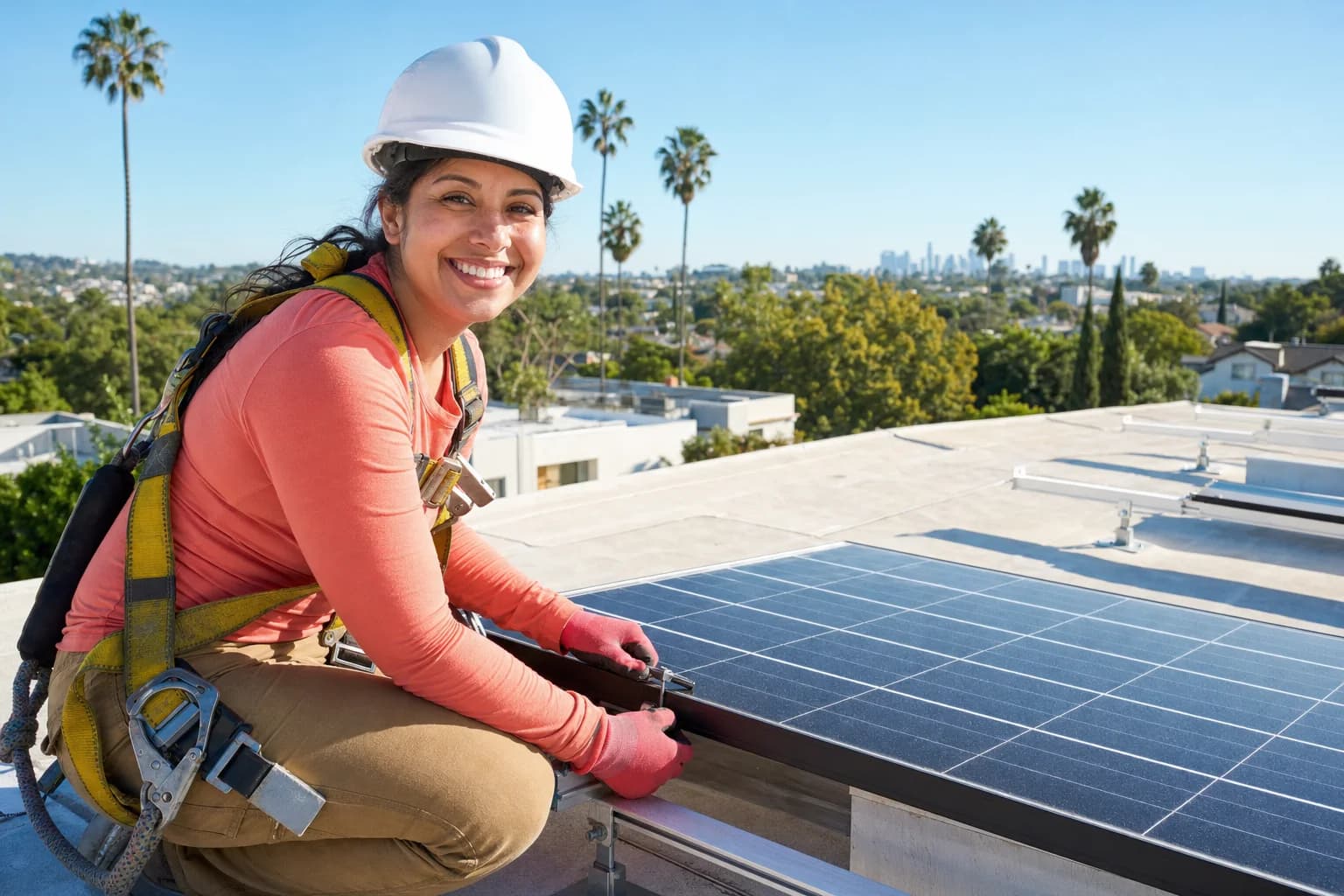
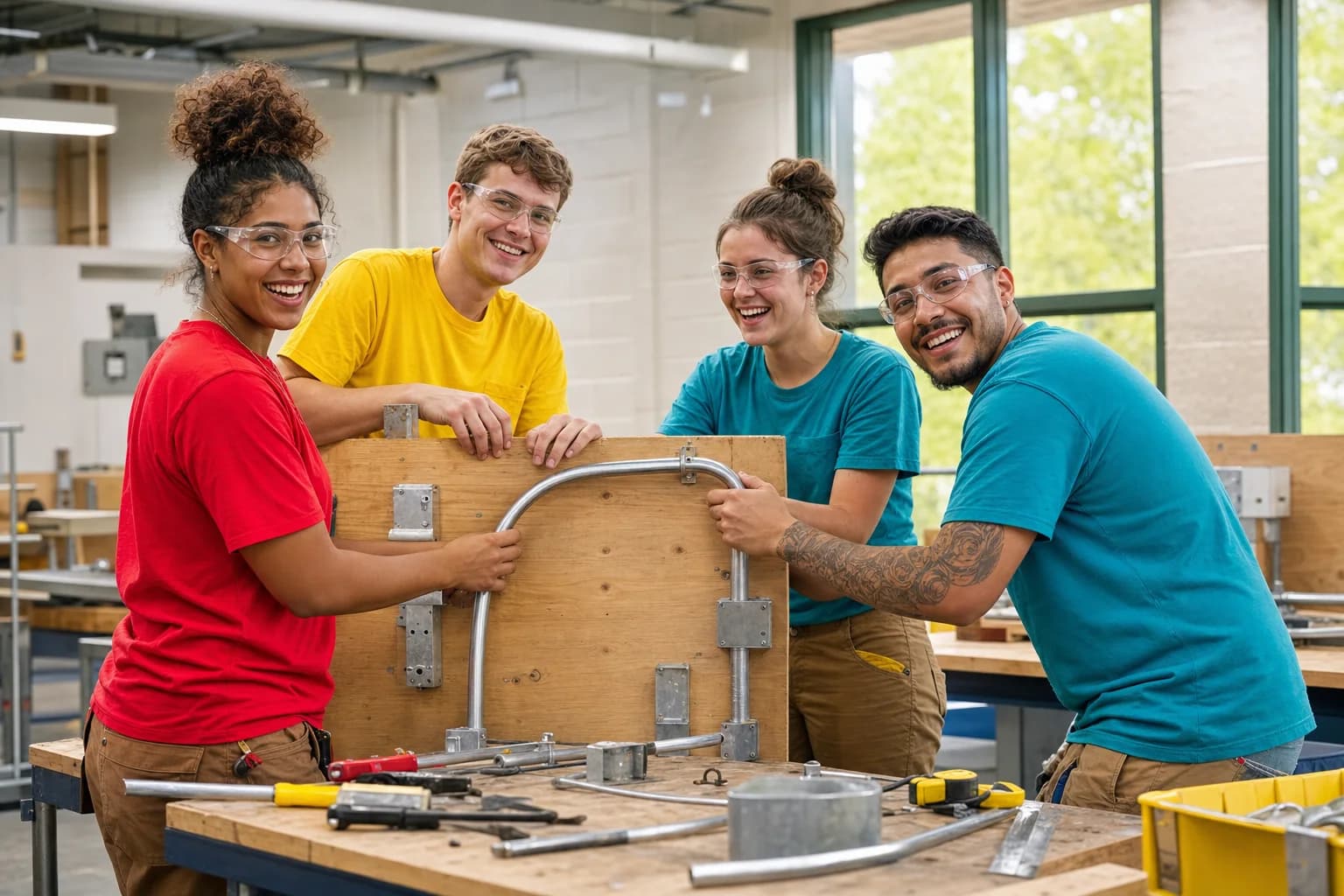
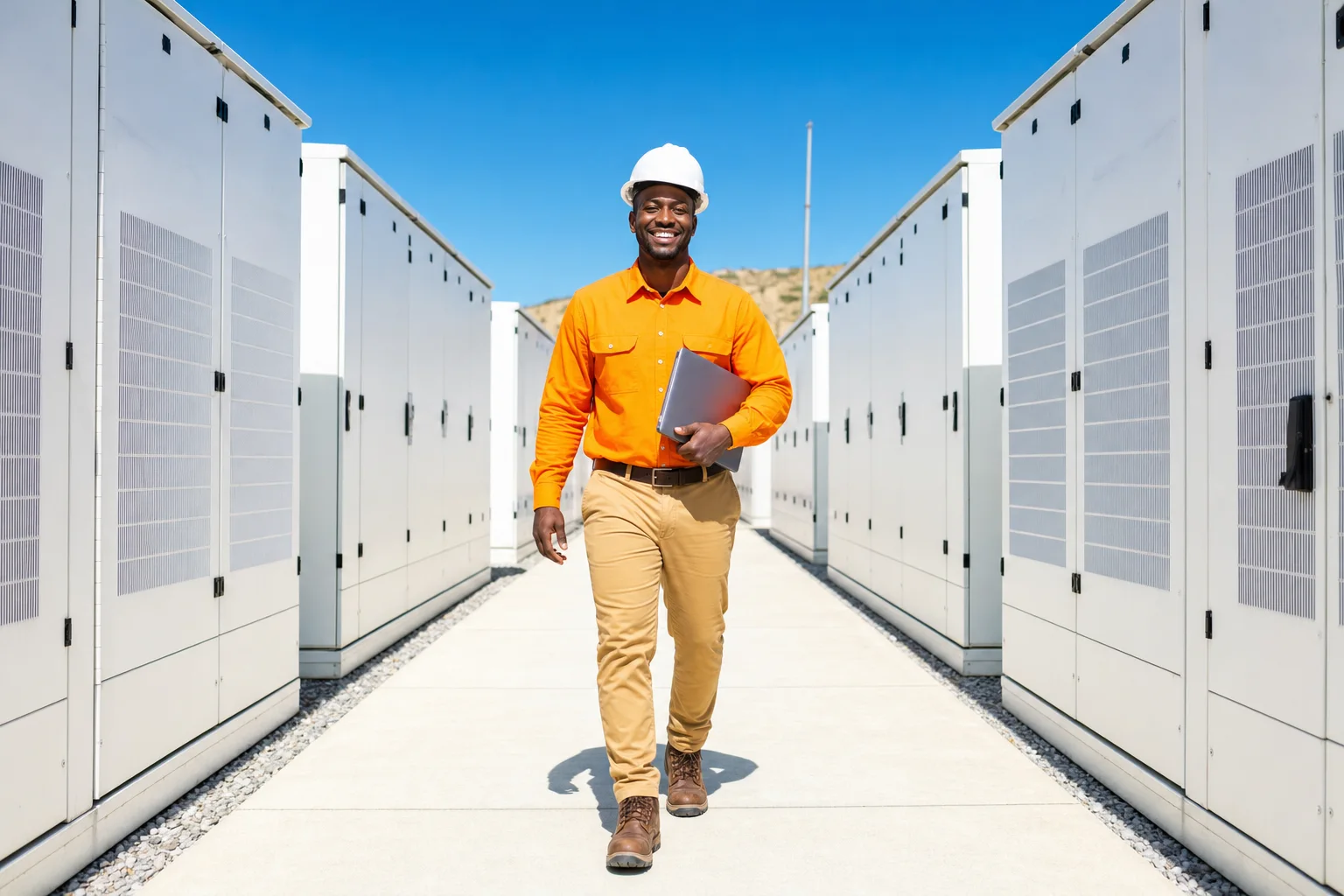
On a construction crew you set battery modules and racks, pull wire, run underground conduit, and terminate DC and AC circuits. One IBEW apprentice in California spent more than two years on a large solar and battery project in Mojave, moving between battery install, underground work, and wire pulling, and learned medium-voltage splicing along the way. That mix is typical. A BESS yard is an electrical construction job with batteries in the middle of it.
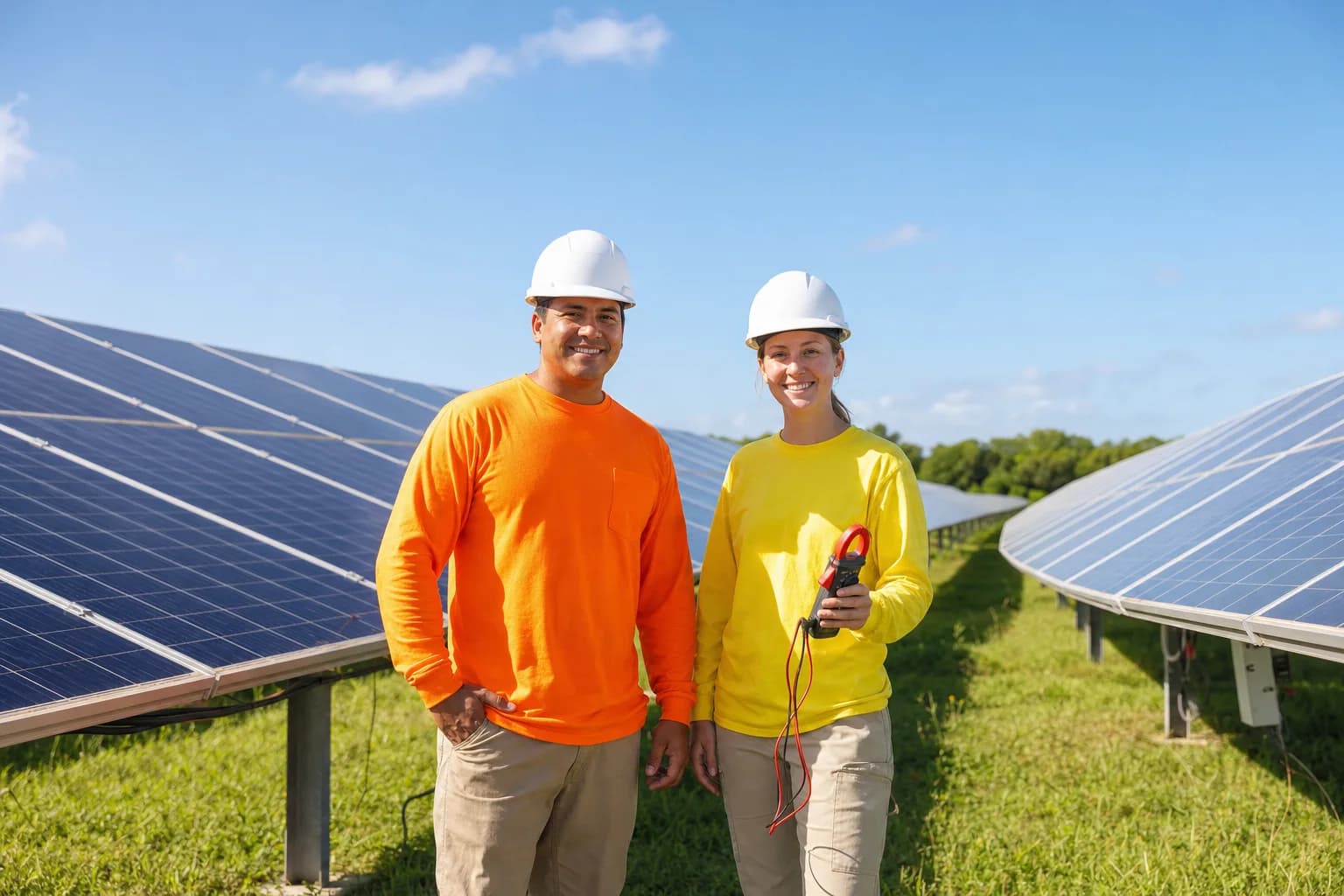
Once a site is running, the work shifts to operations and maintenance. Field techs who look after solar and storage monitor and troubleshoot systems, do routine maintenance on batteries, power conditioning gear and safety systems, log equipment serial numbers in monitoring portals, and handle replacement parts with manufacturers. You will also program or adjust inverters and controls to the set points the owner wants.
Commissioning, safety, and NFPA 855
NFPA 855 is the Standard for the Installation of Stationary Energy Storage Systems. It has separate chapters on commissioning, operation and maintenance, and decommissioning, plus chapters by technology such as electrochemical batteries. The 2026 edition is now out. It pulls general rules into Chapter 4 and adds requirements for an emergency response plan, flow batteries, and storage systems on barges. The standard covers fire detection and suppression, explosion control, exhaust ventilation, gas detection, and thermal runaway.
Commissioning means proving every safety system works before the site goes live. In New York City, the FDNY commissioning inspection includes an emergency shutdown test. Inspectors trip the shutdown button, fire detectors, and pull stations and confirm the alarm signals reach the remote monitoring station. OSHA warns that lithium-ion batteries can go into thermal runaway, which can bring fire, explosion, and toxic byproducts. It tells employers to follow NFPA guidance and build battery incidents into their emergency action plans.
Who hires battery storage technicians?
Three groups do most of the hiring. Electrical contractors and EPC firms build the sites. Mortenson built the Mojave project mentioned above and staffed it with IBEW wiremen and apprentices. Developers and owners such as Invenergy run engineering teams for utility-scale storage, then hand finished sites over to operations staff. Solar installers and O&M service companies take care of smaller systems and maintenance contracts.
Some battery work sits outside the grid side of the business. Lab and R&D technician roles at manufacturers involve setting up electrochemical test equipment, running prototype tests, and doing preventive maintenance. Industrial battery service jobs deal with forklift and fleet batteries. These pay and work differently from BESS field roles, so read the posting closely.
How do electricians move into storage?
Coming in as an electrician or electrical apprentice is the most direct route, because most BESS installation is wiring, terminations, and testing. Union locals near big projects sometimes recruit unindentured apprentices specifically for battery installs. In one case the IBEW offered battery install work on a Mojave BESS project starting at $21 an hour.
To show you know storage specifically, NABCEP offers the Energy Storage Installation Professional (ESIP) board certification. You need OSHA 30 for construction, 58 hours of advanced energy storage training, proof of a decision-making role on storage projects, and 6 project credits earned in the last 2 calendar years. If you already hold NABCEP's PV Installation Professional credential, 18 hours count toward the 58.
Pay
USD a year, before tax. Ranges show the 25th to 75th percentile from U.S. Bureau of Labor Statistics OEWS May 2025 data, moved to 2026 with a wage index. State figures are modeled. BLS has no separate category for battery storage, so we use the renewables and solar group. A journeyman license, union scale, and commissioning or medium-voltage skills push pay toward the electrician range. Refer to the Renewables & Solar salary guide for figures from live adverts.
What you need
- Electrical trainingMost BESS field work is electrical installation and testing, so an electrical apprenticeship or journeyman background is the strongest starting point.
- OSHA 30NABCEP requires OSHA 30 Outreach for Construction, or a state equivalent, before you can apply for the ESIP credential.
- Storage training hoursESIP applicants need 58 hours of advanced energy storage training. Active PV Installation Professionals get 18 of those hours credited.
- Project experienceESIP needs 6 project credits from the last 2 calendar years: 1 for systems of 1 to 80 kWh, 2 for 81 to 999 kWh, and 3 for 1 MWh and up.
- Code knowledgeKnow NFPA 855 for storage installations. ESIP recertification needs 30 hours, including 6 on the NEC and 2 on building or fire codes.
- Physical workExpect outdoor site work, heavy lifting, trenching and wire pulling, and travel to remote solar and storage yards.
How to get there
- StartGet into electrical workJoin an electrical apprenticeship, union or open shop. Watch for locals and contractors staffing solar and battery projects.
- EarlyEarn OSHA 30OSHA 30 for construction is a prerequisite for ESIP, and many large sites expect it anyway.
- On the jobWork storage projectsGet on battery installs, underground work, terminations, and medium-voltage splicing. Keep records of system sizes for project credits.
- Alongside workComplete storage trainingFinish 58 hours of advanced energy storage training, such as NABCEP-approved energy storage courses.
- After 6 creditsSit the NABCEP ESIP examFees are $125 to apply and $375 for the exam, with a $275 re-exam fee.
- LaterMove to commissioning or O&MExperienced techs move into commissioning, site maintenance, or foreman roles on storage builds.
Open now on ElectricalRoles.com


Questions people ask
Do I need to be an electrician to work on battery storage?
Most BESS field work is electrical installation, so electricians and apprentices are the main workforce. The IBEW has recruited unindentured apprentices to install batteries on large projects. Commissioning and O&M roles usually want electrical experience.
What is NFPA 855?
NFPA 855 is the Standard for the Installation of Stationary Energy Storage Systems. It covers commissioning, operation and maintenance, decommissioning, fire detection and suppression, explosion control, ventilation, and gas detection. The 2026 edition is the current one.
How much does the NABCEP ESIP certification cost?
NABCEP charges $125 to apply and $375 for the ESIP exam. A re-exam is $275 and recertification is $390. Exams taken outside the U.S. and Canada carry an extra $75 vendor fee.
What are the main safety hazards on a BESS site?
Lithium-ion batteries hold a lot of stored energy and can go into thermal runaway. OSHA says that can cause fire, explosions, and toxic chemical byproducts. Sites rely on detection, suppression, ventilation, and emergency shutdown systems, and those systems are tested at commissioning.
Does PV experience count toward storage certification?
Yes. NABCEP credits active PV Installation Professionals with 18 hours toward the 58 hours of storage training that ESIP requires. You still need OSHA 30 and storage project credits.
Sources
- NFPA: NFPA 855 Standard for the Installation of Stationary Energy Storage Systems
- ICC Shop: NFPA 855 2026 edition
- NABCEP: Energy Storage Installation Professional
- NABCEP: Fees
- OSHA: Lithium-ion Battery Safety
- FDNY: ESS equipment approval and installation guide
- IBEW: My IBEW, Corey Goldberg, Local 428
- Illinois JobLink: Invenergy battery storage engineer posting
- SeasonalJobs.dol.gov: PV and battery maintenance technician duties
- BLS: Solar Photovoltaic Installers