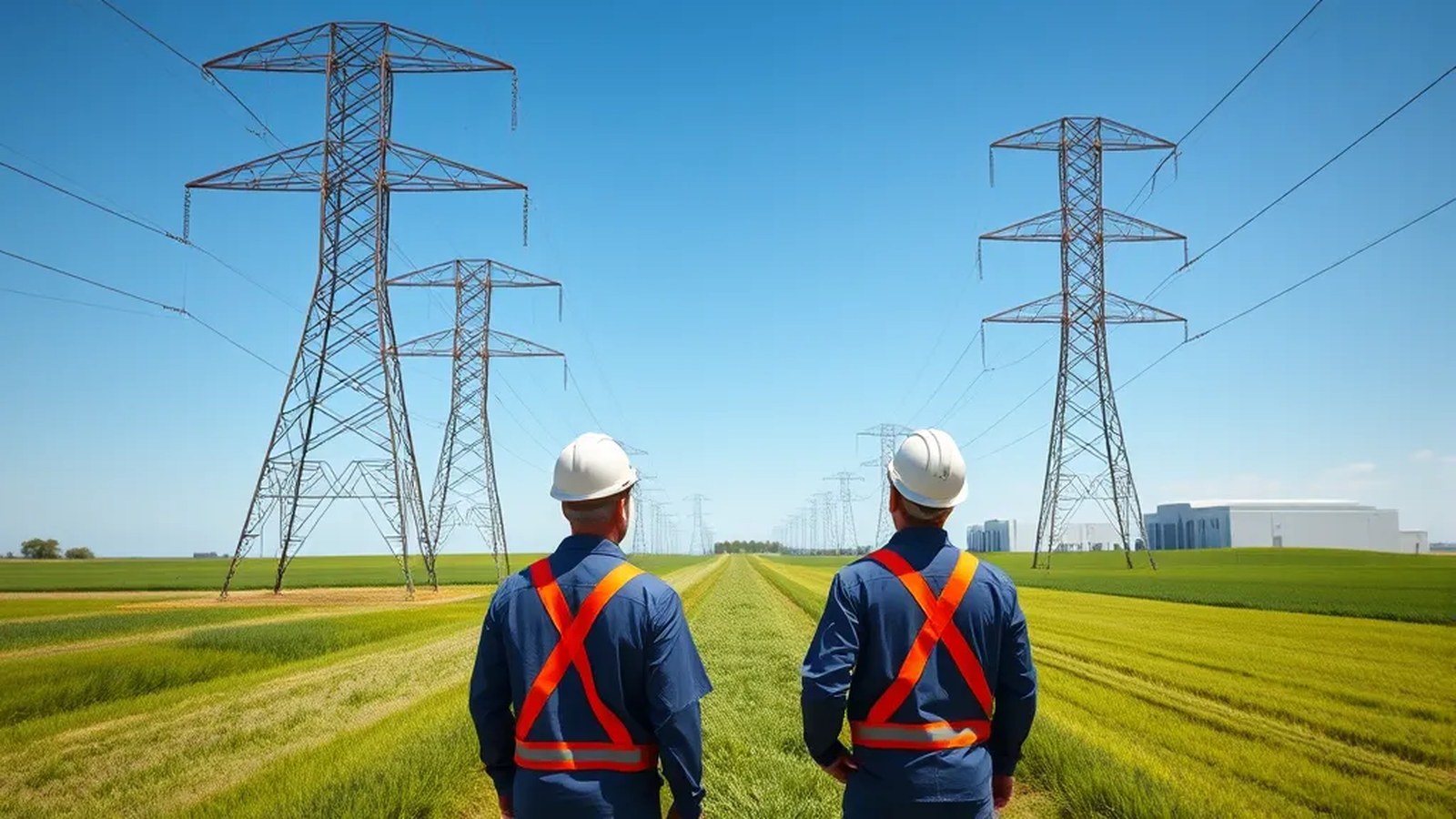
Batteries and Solar Are Wiring a Record Year for Electricians
Record battery storage and solar installs are reshaping US and Canadian grids in 2026. Here's what the build-out, new codes and policy mean for electricians.
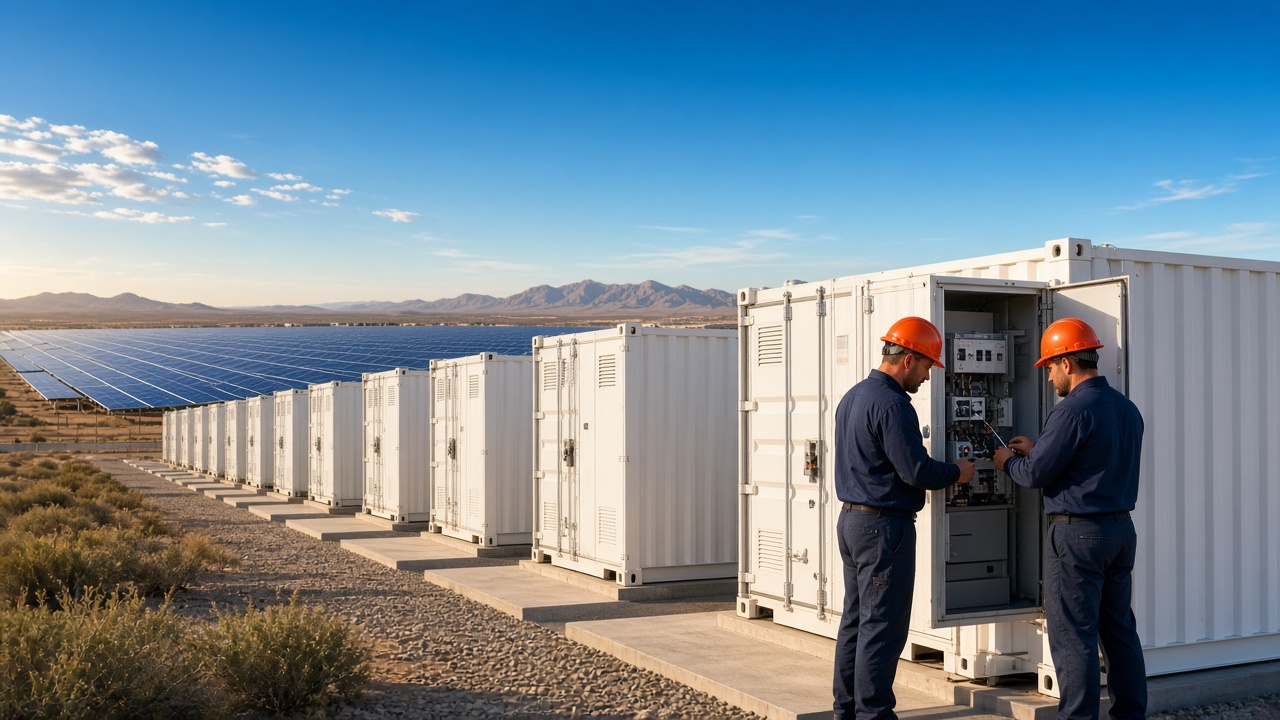
If you want to know where the electrical work is heading in North America, stop looking at rooftops and start looking at gravel pads full of white steel containers. Utility-scale batteries and big solar farms are now the fastest way anyone has found to add capacity to a grid that is short of it, and every one of those projects needs electricians to land the cables, terminate the medium-voltage gear, test the protection and commission the whole thing. 2026 is shaping up as the biggest year yet, and the news from the last few weeks says the pipeline is still filling.
The numbers behind the build-out
Back in February, the U.S. Energy Information Administration said developers planned to add 86 GW of new utility-scale generating capacity in 2026, which would be a record. Solar made up 51% of that plan at 43.4 GW, and battery storage came next at 28%, roughly 24 GW, against a record 15 GW of batteries added in 2025. Texas alone was expected to account for 12.9 GW of the new storage, followed by California at 3.4 GW and Arizona at 3.2 GW.
The plan has largely held. EIA's latest Electric Power Monthly, released October 23 with data through August, shows 14.7 GW of utility-scale solar added so far this year and about 44.6 GW more planned over the next 12 months. That is a lot of trenching, combiner boxes, inverters and substations.
Storage is where the records keep falling. The Solar Energy Industries Association and Benchmark Mineral Intelligence reported that the US installed 20.2 GWh of storage in the second quarter, the largest quarter on record, taking the first half of 2026 to 30.8 GWh. Utility-scale projects made up 17.9 GWh of that. Arizona installed 6.2 GWh in a single quarter, the strongest quarter any state has ever posted, and the report says utility-scale storage capacity has climbed from 88 GWh to 165 GWh in 18 months. Even more telling for anyone deciding where to build a career: batteries supplied more electricity to the grid in the first eight months of 2026 than in all of 2025, and the group lifted its forecast through 2030 by 11.5% to 683 GWh.
Wood Mackenzie and the American Clean Power Association count things slightly differently and put the same quarter at 5.4 GW and 18.9 GWh, a record in energy terms even though megawatts dipped, as Grid Brief summarized. The detail I like in that report is duration. Projects are getting longer, helped by California's first eight-hour battery. Longer duration means more racks, more containers and more DC collection work per megawatt, which is good news for crews.
Solar is running hot too. SEIA and Wood Mackenzie's Solar Market Insight for Q3 2026 counted 11.4 GWdc installed in Q2, with utility-scale up 61% year over year to 9.6 GWdc. Solar and storage together made up 70% of all new generating capacity added in the first half of the year.
What changed in October
The freshest signals are about storage spreading well beyond Texas and California.
On October 27, Xcel Energy took delivery of battery units at its Blue Lake site in Shakopee, Minnesota. The 135.5 MW project will use 132 battery units delivering up to four hours, and with two more projects in Becker, Xcel expects to run more than 735 MW of storage in Minnesota by the end of 2027.
A week earlier, Dominion Energy filed an integrated resource plan that includes 3.5 GW of battery storage over 20 years and more than 21 GW of solar. Behind it sits a new Virginia law requiring Dominion to add 16,000 MW of short-duration storage and 3,480 MW of long-duration storage by 2045.
In New York, NYSERDA's first Bulk Energy Storage solicitation picked eight lithium-ion projects totaling about 950 MW, including two in the Bronx announced by Flatiron Energy on October 21. NYSERDA estimates the round will drive more than $1.6 billion of private investment and over 500 jobs, all toward a state target of 6 GW of storage by 2030.
Canada is buying batteries too
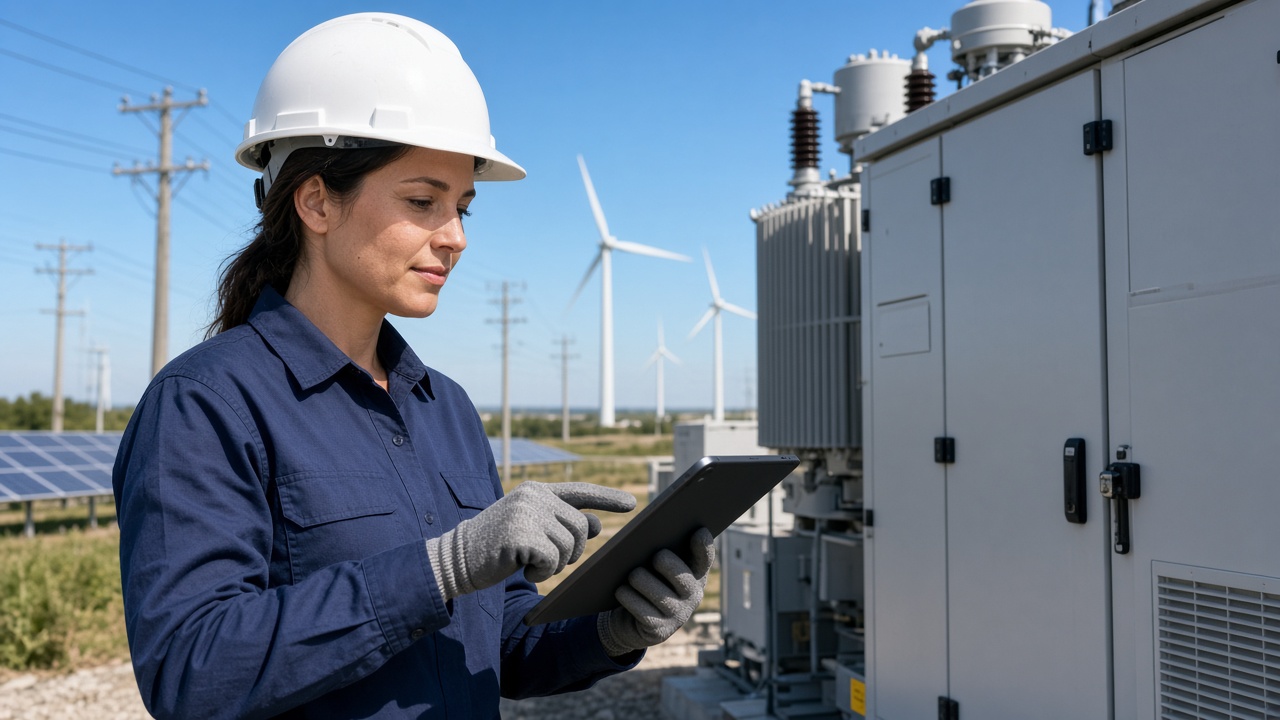
North of the border, Ontario is the one to watch. In June the IESO offered 20-year contracts to three new battery projects totaling 640 MW in the capacity stream of its second long-term procurement (LT2), beating the target for the window. The IESO says this takes Ontario past 3,500 MW of battery storage by 2030, and the price came in 36% lower than its earlier expedited procurement. The province's announcement notes each project has First Nations partners with at least 50% equity and commercial operation is due by May 1, 2030. That follows LT1, which Energy-Storage.News describes as Canada's largest battery procurement at more than 850 MW, and the IESO plans more LT2 windows in the coming years. For Ontario electricians and industrial electricians, that is a steady pipeline of construction followed by projects contracted to run for 20 years.
Policy: a sprint for solar, a longer runway for storage
The federal rules changed a lot in 2025, and you can see it in the numbers. Under the One Big Beautiful Bill Act, the clean electricity credits (45Y and 48E) end for wind and solar projects placed in service after 2027 unless construction began on or before July 4, 2026, as Sidley Austin explains. SEIA says that is exactly why utility-scale solar spiked in Q2: developers are racing to get safe-harbored projects into service.
Storage got a much better deal. Standalone energy storage keeps the credits on the original schedule, with phaseout starting for projects beginning construction in 2034. The catch is the new "foreign entity of concern" rules. Projects starting construction after 2025 lose the credit if too much of their cost comes from prohibited foreign suppliers, and for storage the non-prohibited share has to be at least 55% for projects starting in 2026, rising each year to 75%. That is pushing batteries toward US supply chains, and SEIA notes new cell plants opening in Ohio and Tennessee plus a 50 GWh module plant in Texas this year.
On the home side, the story is tougher. The Section 25D residential credit expired at the end of 2025, and residential solar fell 12% year over year in Q2 while residential storage dropped 27%, according to SEIA. If you are a residential solar electrician, I would be honest with yourself about that and look at whether your skills transfer to commercial, C&I storage or utility work. They usually do.
The code and safety work is getting serious
This is the part I think a lot of electricians underestimate. Batteries are not just big inverters. The rulebooks updated this year, and the people who know them will be the ones running crews.
The 2026 NEC changes for solar and storage are mostly clarifications, but some matter in the field:
- 706.15 now points ESS disconnecting means to 705.20, matching the approach for PV and other power sources.
- 706.16 is gone. Most interconnected ESS used for backup are now treated as optional standby systems under Article 702, with sizing under 702.4, including a new option for dwellings that relies on a listed power control system (UL 3141).
- 705.11(C)(1) brings back conductor length limits for supply-side connections inside buildings, which were dropped in 2023.
- 690.4(G) finally spells out how to round fractions of an amp or volt in PV calculations.
On fire safety, the 2026 edition of NFPA 855 ties testing to large-scale fire tests, adds intentional ignition testing when cells vent flammable gas, and requires spacing between outdoor enclosures to be analyzed with anticipated wind conditions and reviewed by a registered design professional. In plain English, the paperwork and inspection side of a BESS job is getting heavier, and the AHJ is going to ask harder questions. That favors contractors and techs who are organized and who understand why the rules exist.
What it means for your career
The Bureau of Labor Statistics projects electrician employment to grow 9% from 2025 to 2035, with about 72,700 openings a year, and calls out connecting solar, wind and new grid infrastructure as a driver. The storage boom is a big slice of that.
My practical advice:
- Get comfortable with medium voltage and DC. Utility batteries live at the intersection of high-current DC, inverters and MV collection systems. Terminations, hi-pot testing and switching procedures are the skills that get you onto the best crews.
- Learn commissioning, not just installation. Testing, energizing and hand-over are where schedules get squeezed, and techs who can work alongside SCADA and battery management systems are worth a lot to an employer.
- Study the 2026 NEC and NFPA 855 now. As states and AHJs adopt the new editions, be the person on site who already knows them.
- Follow the pipeline. Texas, Arizona and California still lead, but Minnesota, Virginia, New York and Ontario are adding real projects. A move or travel role can pay off.
- Think about the long tail. Ontario's new batteries carry 20-year contracts, which means somebody has to keep them running for two decades. Operations and maintenance roles at these sites tend to be steady and local.
I am genuinely excited about this. A few years ago grid batteries were pilot projects. This year they have already put more electricity on the grid than in all of 2025, and forecasters see a clear runway through the end of the decade. Electricians are the people who make that real.
If you want in, browse the latest solar, storage and electrical jobs on ElectricalRoles.com and set up an alert so the next BESS role finds you first.