
PG&E Hits 1,500 Underground Miles: What It Means for Crews
PG&E has energized 1,500 miles of underground line and plans 5,000 more. Here's the work behind it and how electricians and lineworkers can ride the wave.
PG&E announced on Monday that it has installed and energized 1,500 miles of underground power lines in high fire-threat districts since its undergrounding program began in 2021. In its announcement, the utility says ignition risk on those lines is down by roughly 98%, and customers on them see about 90% fewer outages.
I'll be honest: when I read press releases like this, I skip straight past the percentages and look for the work. Fifteen hundred miles of underground line is a huge amount of trenching, conduit, cable, vaults, transformers and terminations. Somebody built every foot of it. A lot of those somebodies are lineworkers, cable splicers, electricians and operators, and the demand for them is only heading one way.
The numbers behind the milestone
Here's what PG&E actually reported, with nothing added by me:
- 1,500 miles of underground line installed and energized in high fire-threat districts since 2021.
- About 98% permanent reduction in wildfire ignition risk on those miles, and about 90% fewer outages for the customers they serve.
- 325 miles completed so far in 2026, with Foresthill, Middletown, Apple Hill, Arnold and Angwin among the communities recently switched over to underground service.
- A newly filed 10-year plan to underground 5,000 miles across more than 30 counties in Northern and Central California.
There's one more detail worth knowing. PG&E says a recent proposed decision at the California Public Utilities Commission could cut the eligible undergrounding in that plan from 5,000 miles to roughly 1,100. That's PG&E's reading of the proposal, and the decision isn't final. So treat the 5,000-mile number as a proposal, not a pipeline of guaranteed work. I'll come back to why that matters for your planning.
Why this is bigger than one utility
Undergrounding is a California headline today, but the pattern is wider. Utilities across the continent are being asked to do three things at once: keep the lights on, keep costs under control, and serve a wave of new load from data centers and factories. At the NARUC annual meeting in Puerto Rico, regulators described themselves, in the words of one commissioner, as being "in the pressure cooker" over affordability, as Utility Dive reported on Monday. Their answer, as far as that coverage goes, is to weigh long-term grid investments more carefully and look at lower-cost options alongside the big builds, including grid-enhancing technologies and efficiency.
My take: that tension is healthy. It will push utilities to spend smarter, and smarter spending still means skilled crews. Whether a utility reconductors a line, buries it, or adds sensors to squeeze more out of it, a human with training has to do the work. If you want a deeper look at the "get more from existing wires" side, I covered it in Drones, Sensors and Bushings: Getting More From the Grid.
What an undergrounding job site looks like
I'm not going to pretend every underground project is identical, but the broad shape of the work is familiar to anyone in distribution construction:
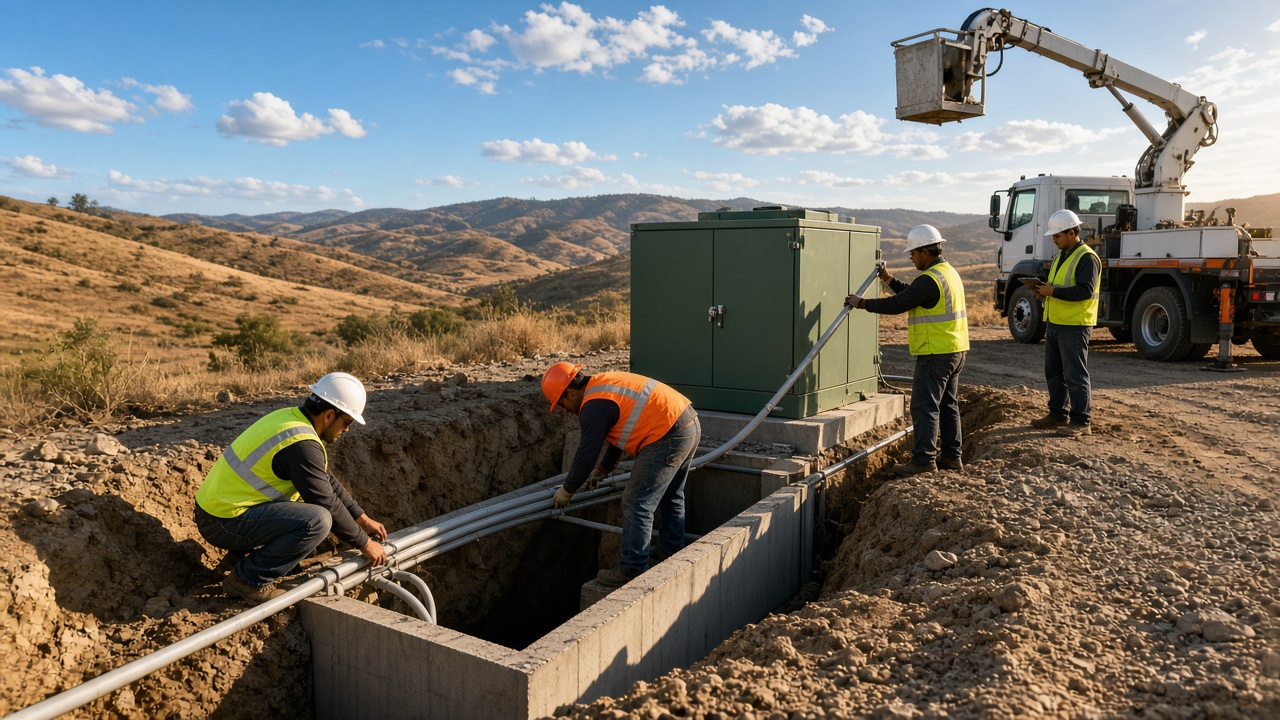
- Civil and pathway work. Trenching or boring, laying conduit, setting vaults and pads. Often this is done by civil contractors working alongside electrical crews.
- Cable installation. Pulling or placing cable through the pathway. Planning the pull, protecting the cable and keeping records matter a lot here.
- Terminations and splices. This is skilled hands-on electrical work, and it's where careful, patient people earn their reputation.
- Equipment. Setting and connecting pad-mounted equipment, switching and protective devices.
- Testing, energizing and cutover. Verifying the new circuit, then moving customers from the overhead line to the underground one safely.
Where that leaves you depends on your starting point. If you're a lineworker, it's a path into underground distribution. If you're an inside or commercial electrician, the cable and termination skills transfer better than you might think. If you're an apprentice, the message is simple: underground work is a growth lane worth asking about when you talk to employers. To see how the lineworker route works, start with what a lineworker does, and for the wider picture of the trade, read what an electrician does.
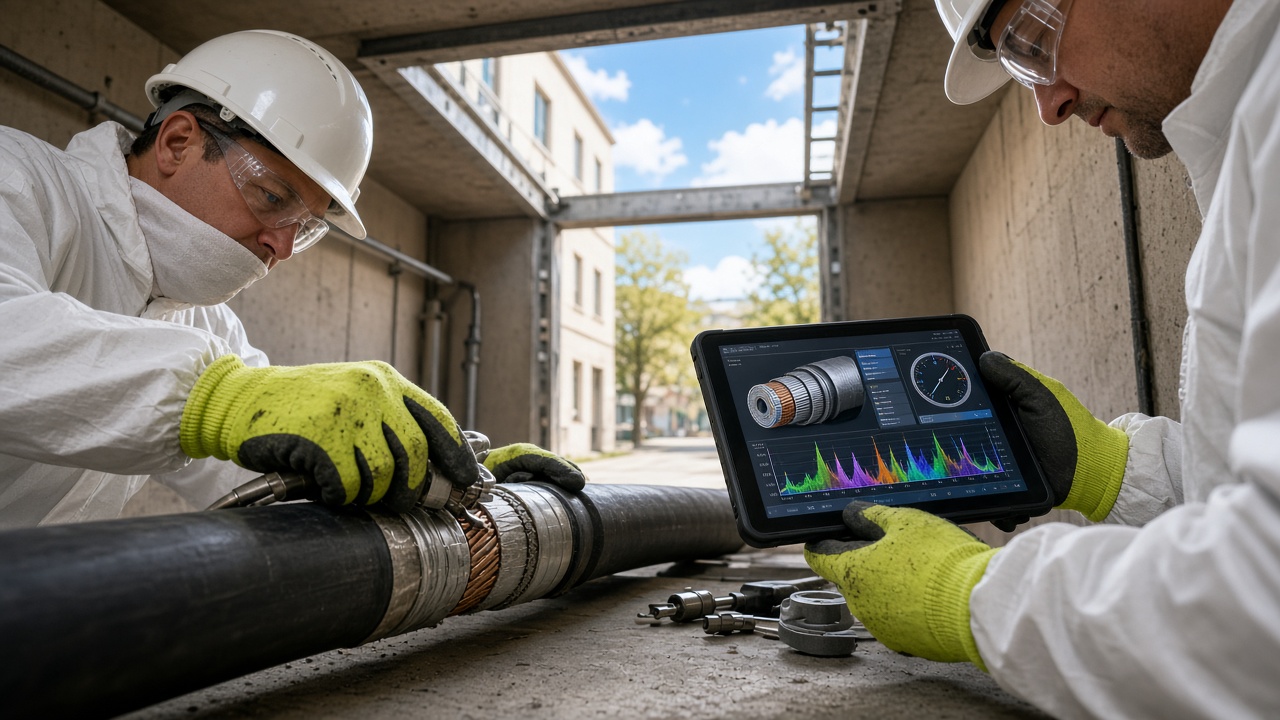 Cable splicers and technicians do the careful termination work that makes underground circuits reliable.
The crew squeeze is real, and it's an opportunity
The other story from the last 48 hours explains why all this matters for your paycheck. A Monday trades brief summarizing a MarketScale report says DPR Construction found that AI data centers and advanced manufacturing plants now need the same four things: power, technical planning, workforce capacity and prefabrication. In DPR's analysis, electricians, mechanical trades and commissioning specialists are being pulled into several fast-growing sectors at once, and developers are looking beyond Northern Virginia, Texas and Phoenix to states like Wyoming, Missouri, Ohio, Indiana and Louisiana.
Put that next to utilities hardening and rebuilding their networks and you get a simple picture. Data centers, factories, utilities and contractors are all competing for the same skilled people. When many employers chase the same talent, the talent has choices. That's the optimistic read, and I think it's the right one.
It's not all smooth, of course. The same brief notes a proposed Utah data center that promised 10,000 construction jobs in its first phase is on hold amid lawsuits and referendum efforts. Projects get delayed, paused and rescoped. That's why I like the advice I keep giving: build skills that move with you, not skills tied to one project.
What I'd do with this news
- Get cable and termination skills on your résumé. Medium-voltage terminations, splicing and cable testing travel across utilities, data centers and industrial sites. They're useful whichever project wins.
- Ask about underground work in interviews. If you're a lineworker or distribution electrician, ask any utility or contractor whether they run underground crews and how they train for it.
- Watch the decision, not just the hype. The California regulatory outcome will shape how many undergrounding miles get built there. Don't relocate for a plan that is still being decided.
- Stay flexible on geography. DPR's list of up-and-coming data center states shows work spreading well beyond the usual hubs.
- Keep your safety credentials current. The best crews get called back for the next job because they're safe, tidy and reliable.
The bottom line
A 98% reduction in ignition risk and 90% fewer outages are the kind of results that make a project hard to argue against, whatever the cost debate. And behind every one of those miles are people who can read a print, pull cable and make a clean termination. Whatever happens at the CPUC, utilities across North America are going to keep hardening, burying and upgrading their grids for years.
If that sounds like the kind of work you want, browse the latest openings on ElectricalRoles.com and set up a job alert. The grid is being rebuilt in front of us, and I think it's a great time to be one of the people holding the tools.